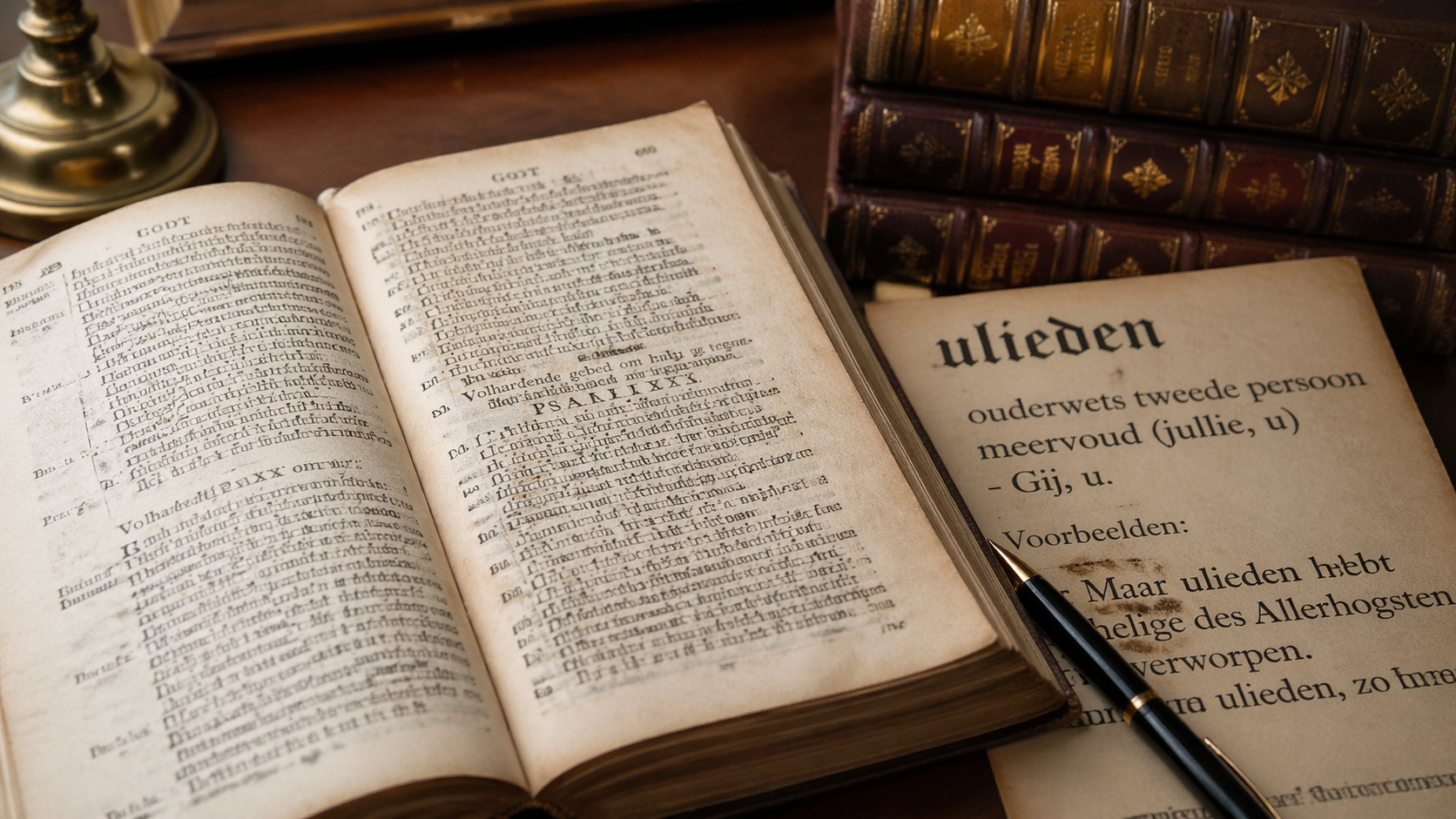
If you have come across the word ulieden, you might be wondering what it means and why it sounds unusual. This is not a word you will hear in everyday conversations today, which makes it even more confusing for readers who find it in older texts or translations. Many people first see this term in historical documents, literature, or religious writings and want a clear, simple explanation.
In this guide, you will learn what ulieden means, where it comes from, how it was used, and what modern Dutch speakers say instead. The goal is to give you a complete understanding without making things complicated, so even if you have no background in Dutch, you can still follow along easily.
What Does Ulieden Mean?
The word ulieden is an old Dutch pronoun that means “you” when referring to more than one person. In simple terms, it is a plural form used to address a group of people directly.
Today, this meaning is not unusual on its own, but the word itself feels outdated because language naturally evolves over time. Just like English once used words such as “thee” and “thou,” Dutch also had its older forms, and ulieden is one of them.
Understanding this word becomes easier when you think of it as an older, more formal way of saying “you all” or “you people.”
The Historical Background Of Ulieden
To fully understand ulieden, it helps to look at its background. The word developed during a time when Dutch language structures were more formal and often longer. Pronouns were used differently, and people placed more emphasis on respect and clarity in communication.
In earlier centuries, especially in written texts, people preferred more structured and sometimes complex pronouns. Over time, however, language became simpler. Shorter and more natural-sounding words replaced longer ones, and this is how ulieden slowly disappeared from daily use.
This shift is common in many languages. Words that once felt normal can eventually sound formal, old-fashioned, or even unfamiliar to modern speakers.
Is Ulieden Still Used Today?
In modern Dutch, ulieden is rarely used in everyday speech. Most native speakers would not use it in normal conversation, and if they did, it might sound overly formal or even slightly humorous because of its outdated tone.
However, the word has not completely disappeared. You can still find it in specific contexts such as older literature, religious texts, or historical documents. It may also appear in translations that aim to preserve a traditional or classical style.
So while the word still exists, it belongs more to the past than to present-day communication.
Modern Alternatives To Ulieden
Today, Dutch speakers use simpler and more natural words instead of ulieden. The most common modern equivalent is “jullie,” which also means “you” in the plural form.
This replacement shows how language becomes more practical over time. Instead of using longer or more formal expressions, people prefer words that are easier to say and understand.
There are also a few older variations like “jelui,” but these are not widely used anymore. In almost all situations today, “jullie” is the correct and natural choice.
Where You Might Encounter The Word Ulieden
Even though ulieden is not used in everyday speech, there are still places where you might come across it. One of the most common sources is religious texts, especially older translations of the Bible. These translations often keep traditional wording to maintain a certain tone and style.
You may also see the word in historical writings, academic discussions about language, or classic Dutch literature. In these contexts, the word helps preserve the original meaning and atmosphere of the text.
Sometimes, translation websites or language tools include ulieden as an example to show how language has changed over time. This is often where modern readers first encounter it.
Why Ulieden Sounds Old-Fashioned
The reason ulieden sounds old-fashioned is simple: language evolves to become more efficient. Over time, people naturally prefer shorter and easier words, especially in spoken communication.
Longer or more complex words begin to feel unnecessary, and eventually, they fall out of common use. When this happens, those words take on a historical or formal tone.
This is why ulieden may sound stiff or overly formal to modern ears. It reflects an earlier stage of the Dutch language, when communication followed different patterns and expectations.
Example Usage Of Ulieden
To better understand how ulieden was used, it helps to look at simple examples. In older texts, a sentence might directly address a group of people using this word in a formal way.
For example, an older sentence might use ulieden to speak to a group respectfully or collectively. In modern Dutch, the same idea would be expressed using “jullie,” making the sentence shorter and more natural.
Seeing both versions side by side can help you recognize the meaning quickly when you encounter the word in older material.
Common Questions About Ulieden
Many readers have similar questions when they first see the word ulieden. One common question is whether the word is singular or plural. The answer is that it is always used for plural situations, referring to more than one person.
Another question is whether it is formal or informal. While it was once a standard term, today it feels formal or even outdated due to its historical nature.
People also often ask if the word is still used in the Netherlands. The answer is no, at least not in everyday conversation. It mostly appears in older or specialized texts.
How To Understand Archaic Dutch Words Like Ulieden
When you come across a word like ulieden, the best approach is to focus on context. Look at the sentence and try to understand who is being addressed. Often, this will help you quickly realize that the word refers to a group of people.
Another helpful tip is to compare older text with modern translations. This can show you how language has changed and make unfamiliar words easier to understand.
If you read older Dutch material regularly, you will start to recognize patterns and become more comfortable with these types of words. Over time, they will feel less confusing and more familiar.
Conclusion
The word ulieden is a great example of how language changes over time. It once served as a common way to address a group of people in Dutch, but today it has been replaced by simpler and more natural alternatives like “jullie.”
Even though it is no longer used in daily conversation, it still appears in historical, literary, and religious texts. Understanding its meaning helps you read and interpret these materials more confidently.
If you ever come across ulieden again, you now know that it simply means “you” in the plural form. With this knowledge, you can easily understand its role in any text and continue reading without confusion.
FAQ’s:
What Does Ulieden Mean?
Ulieden is an old Dutch word that means “you” when referring to more than one person.
Is Ulieden Still Used In Modern Dutch?
No, it is rarely used today and mostly appears in older texts or historical writings.
What Is The Modern Equivalent Of Ulieden?
The modern Dutch word for ulieden is “jullie,” which is commonly used in everyday conversation.
Is Ulieden Formal Or Informal?
It is considered formal and old-fashioned because it comes from earlier stages of the Dutch language.
Where Can I See The Word Ulieden Today?
You may find it in old literature, religious texts, or historical documents rather than in daily use.
Looking for more? Browse other articles on the site.
Disclaimer
This article is for informational and educational purposes only. While we have made every effort to provide accurate and up-to-date information about the term “ulieden,” language usage can vary depending on context, region, and time period. This content should not be considered professional linguistic advice. Readers are encouraged to refer to reliable language sources or native speakers for deeper understanding when needed.