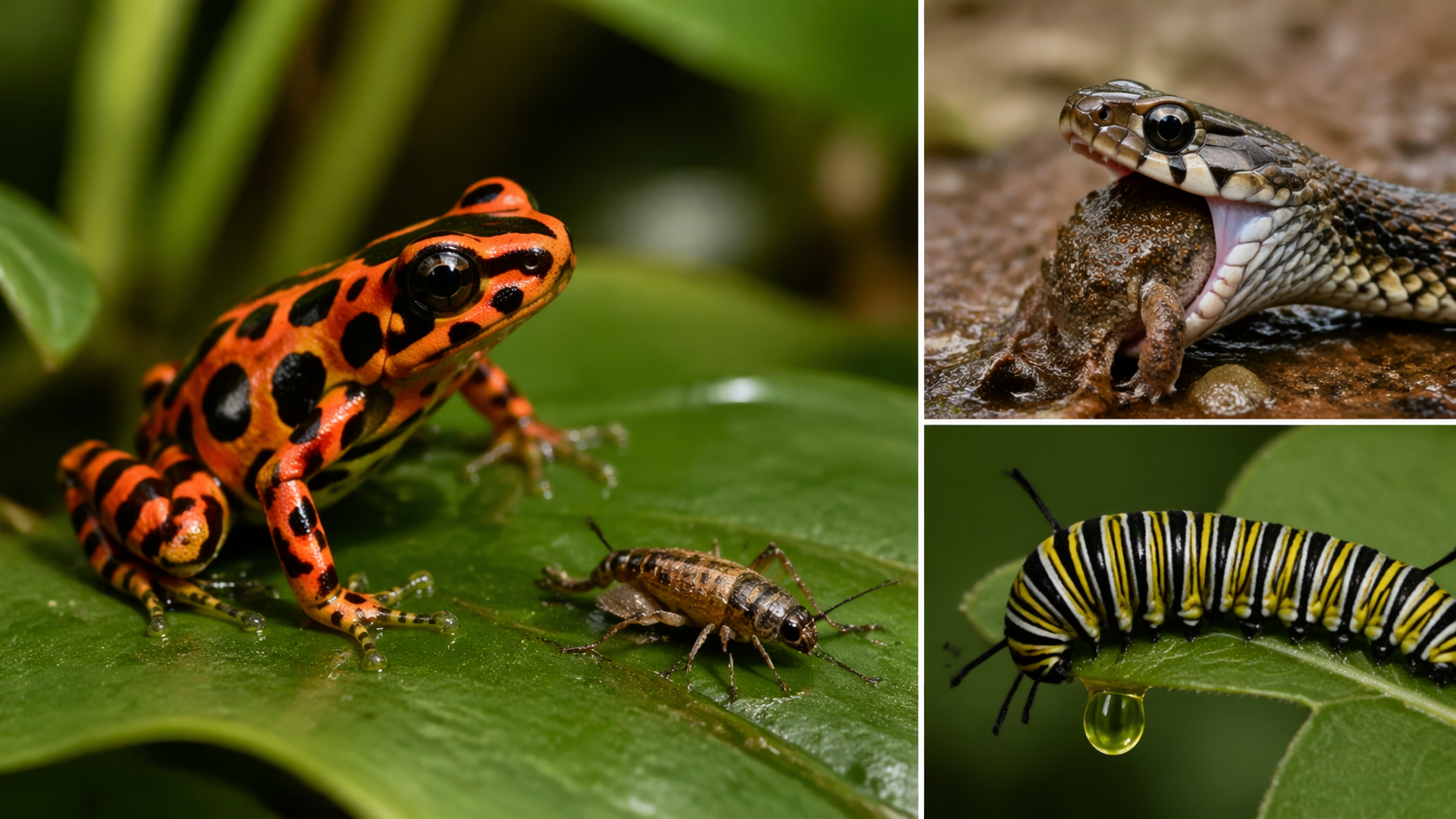
Kleptotoxicity is a fascinating concept in the natural world that explains how certain organisms gain protection by using toxins they did not produce themselves. Instead of creating their own chemical defenses, these organisms obtain toxic substances from external sources such as their diet or environment and use them for survival. This strategy may sound unusual at first, but it is actually a clever and efficient way for many species to defend themselves against predators.
In simple terms, kleptotoxicity shows how nature often relies on smart adaptations rather than brute strength. Some animals have learned that it is easier to borrow or “steal” toxins from other organisms than to produce them internally. This behavior plays an important role in ecology and helps explain how different species interact, compete, and evolve over time.
What Is Kleptotoxicity
Kleptotoxicity refers to the process where an organism acquires toxic compounds from another source and uses them for its own defense. The term combines the idea of “klepto,” meaning to steal, with “toxicity,” which refers to harmful chemical substances. Together, the word describes a biological strategy where toxins are obtained rather than produced.
It is important to understand that kleptotoxicity is not always used as a formal scientific term in academic research. In many cases, scientists describe similar processes using terms like toxin sequestration or chemical defense acquisition. However, the concept behind kleptotoxicity remains the same: an organism benefits from toxins that originate elsewhere.
How Kleptotoxicity Works In Nature
The process of kleptotoxicity usually begins when an organism consumes or interacts with a toxic species. Instead of being harmed, the organism has special adaptations that allow it to tolerate or process the toxin safely. Once inside the body, these chemicals are stored in specific tissues or glands where they can be used later as a defense mechanism.
When a predator attacks, the stored toxins can make the organism taste bad, cause irritation, or even be harmful enough to discourage further attacks. Over time, predators learn to avoid these species, which increases the chances of survival for the organism using kleptotoxicity.
Why Animals Use Kleptotoxicity
Animals use kleptotoxicity because it provides a survival advantage without requiring the energy needed to produce toxins internally. Producing complex chemical defenses can be costly, so using toxins from external sources is often a more efficient strategy. This allows organisms to focus their energy on growth, reproduction, and other essential functions.
Another reason is effectiveness. Many toxins found in nature are already highly potent, so using them directly can provide strong protection. In some cases, organisms even become more successful in their environment because predators quickly learn to avoid them.
Examples Of Kleptotoxicity In The Natural World
One of the most well-known examples related to kleptotoxicity involves certain butterflies that feed on toxic plants. These butterflies are able to absorb the plant’s chemical compounds and store them in their bodies, making them unappealing to predators. This strategy helps them survive in environments where predation is common.
Poison frogs provide another interesting example. In the wild, their toxicity comes largely from their diet, which includes small insects that contain harmful chemicals. When these frogs are kept in captivity and given a different diet, they often lose their toxicity. This clearly shows how their defense system depends on external sources rather than internal production.
Some snakes, such as species that consume toxic amphibians, also use a similar method. They can store toxins from their prey and use them as a defensive tool. These examples highlight how widespread and effective kleptotoxicity-related strategies are across different groups of animals.
How Organisms Avoid Self-Poisoning
One of the most interesting aspects of kleptotoxicity is how organisms manage to avoid being harmed by the toxins they carry. This requires special biological adaptations. Some species have developed resistance at the cellular level, which allows them to handle toxic substances without damage.
Others store toxins in specific parts of their body where they do not interfere with normal biological processes. For example, toxins may be kept in skin glands or specialized tissues. These adaptations ensure that the organism can benefit from the toxins while staying safe from their harmful effects.
The Role Of Kleptotoxicity In Ecosystems
Kleptotoxicity plays a significant role in shaping ecosystems. It influences predator-prey relationships by changing how predators select their targets. When predators learn to avoid toxic species, it can affect the balance of populations within an ecosystem.
This strategy can also lead to coevolution, where species adapt in response to each other. For example, predators may develop resistance to certain toxins, while prey species may evolve stronger or different chemical defenses. This ongoing interaction contributes to the complexity and diversity of natural ecosystems.
Common Misunderstandings About Kleptotoxicity
There are several misconceptions about kleptotoxicity. One common misunderstanding is that all toxic animals produce their own toxins. In reality, many species rely on external sources for their chemical defenses. Another misconception is that kleptotoxicity is the same as venom, which is not accurate. Venom is produced by the organism itself and delivered through specialized structures like fangs or stingers.
Some people also assume that all species using this strategy do so in the same way. However, the methods can vary widely depending on the organism and its environment. Understanding these differences helps provide a clearer picture of how kleptotoxicity works.
Why Kleptotoxicity Matters
Kleptotoxicity is more than just an interesting biological concept. It provides insight into how organisms adapt to their environment and survive under pressure. By studying this process, scientists can learn more about evolution, ecology, and the relationships between different species.
This knowledge can also have practical applications. For example, understanding how organisms handle toxins may inspire research in medicine or chemistry. It shows how natural systems can offer solutions to complex problems.
Conclusion
Kleptotoxicity highlights the creativity of nature when it comes to survival strategies. Instead of relying solely on their own abilities, some organisms take advantage of the resources available around them, including toxins from other species. This approach allows them to protect themselves in an efficient and effective way.
As research continues, our understanding of kleptotoxicity and related processes will likely grow. What remains clear is that this strategy plays an important role in the natural world and offers valuable insights into how life adapts and thrives.
FAQ’s:
What Is Kleptotoxicity In Simple Terms?
Kleptotoxicity is when an organism uses toxins taken from other sources, like food or prey, instead of producing them itself for protection.
How Do Animals Get Toxins Through Kleptotoxicity?
Animals usually obtain toxins by eating toxic plants or prey and then storing those chemicals in their bodies for defense.
Is Kleptotoxicity The Same As Venom?
No, venom is produced by the animal itself, while kleptotoxicity involves using toxins that come from external sources.
Can Animals Lose Their Toxicity If Their Diet Changes?
Yes, some animals, like poison frogs, can lose their toxicity if they no longer consume toxin-rich food.
Why Is Kleptotoxicity Important In Nature?
It helps organisms survive, influences predator behavior, and plays a key role in maintaining ecological balance.
Looking for more? Browse other articles on the site.
Disclaimer
This article is intended for informational and educational purposes only. While every effort has been made to provide accurate and up-to-date information about kleptotoxicity, it should not be considered scientific or professional advice. The topic may involve ongoing research, and interpretations can vary based on new findings. Readers are encouraged to consult reliable scientific sources or experts for deeper study or specific guidance.