The word “pappedeckel” may sound simple at first, but it carries more depth than many people realize. In its most direct sense, pappedeckel refers to a sturdy cardboard lid or thick paperboard cover commonly used in packaging and food service. Over time, the term has also gained attention in sustainability discussions and even online conversations. As businesses search for eco-friendly alternatives to plastic and consumers become more aware of packaging waste, pappedeckel has quietly become an important part of modern packaging solutions.
Understanding pappedeckel is not just about knowing what it means. It is about recognizing how this small, everyday product connects to larger topics such as environmental responsibility, material innovation, branding, and consumer trends. This article provides a complete and practical guide to pappedeckel so that anyone reading it can gain a full and clear understanding of the subject.
What Is Pappedeckel?
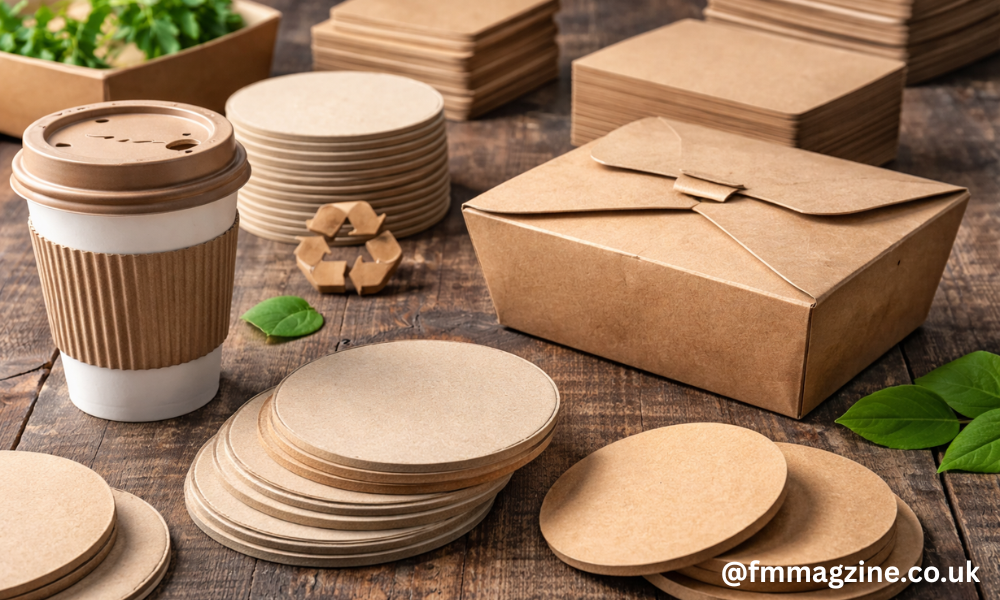
Pappedeckel is a German compound word formed from “Pappe,” meaning cardboard or thick paperboard, and “Deckel,” meaning lid or cover. When combined, the term describes a lid or cover made from strong cardboard material. In practical terms, it usually refers to flat, rigid paperboard pieces used to seal containers, protect items, or serve as disposable covers in food and beverage settings.
In many European countries, the term is used in everyday language for cardboard lids placed on cups, takeaway containers, or packaging boxes. It can also describe thicker cardboard inserts used for structural support inside product packaging. While the word has German roots, its relevance has spread more widely due to the growing global focus on sustainable packaging.
Although simple in appearance, a pappedeckel is designed with purpose. It must balance strength, flexibility, moisture resistance, and environmental friendliness. This balance makes it a practical alternative to plastic lids in many cases.
Materials And Manufacturing
A typical pappedeckel is made from compressed paper fibers. These fibers are often derived from recycled paper, wood pulp, or a blend of both. The manufacturing process involves pressing and drying the fibers under controlled conditions to create a dense, smooth surface that can function as a reliable lid or cover.
The thickness of a pappedeckel can vary depending on its intended use. For example, a beverage lid may require a different density than a packaging insert. Some products include light coatings to improve moisture resistance, especially when used for hot drinks or soups. However, manufacturers increasingly aim to use biodegradable or compostable coatings to maintain environmental benefits.
Compared to corrugated cardboard, which contains fluted layers for cushioning, pappedeckel is usually solid and flat. This structure makes it suitable for sealing, stacking, and printing. It also allows for customization in terms of shape and branding.
Common Uses Of Pappedeckel
One of the most visible uses of pappedeckel is in the food and beverage industry. Coffee shops, fast-food outlets, and takeaway services use cardboard lids for cups and containers. These lids help retain heat, prevent spills, and provide a convenient drinking experience without relying entirely on plastic.
In packaging, pappedeckel serves as a protective layer inside boxes. It can act as a separator between products, a top cover that stabilizes contents, or a reinforcement panel that strengthens the overall structure. This is especially useful for electronics, cosmetics, and fragile goods.
Another traditional use of pappedeckel is as a coaster. In many places, thick cardboard coasters are used under drinks to protect surfaces. These coasters are often printed with branding or decorative designs, making them both functional and promotional.
Craft and DIY enthusiasts also use pappedeckel for creative projects. Its sturdy yet workable texture makes it ideal for model building, art projects, and educational activities.
Why Pappedeckel Is Becoming More Popular
The growing popularity of pappedeckel is closely connected to environmental awareness. Consumers today are more informed about plastic pollution and the long-term effects of non-biodegradable waste. As a result, businesses are under pressure to reduce plastic use and adopt more sustainable materials.
Cardboard-based lids and covers offer a more environmentally responsible image. They are generally easier to recycle and, when made from responsibly sourced fibers, have a lower environmental impact than many plastic alternatives. This makes pappedeckel an attractive choice for companies that want to align with eco-friendly values.
Regulatory changes in different regions have also encouraged the shift. Restrictions on single-use plastics have led many manufacturers and food service providers to explore paper-based solutions. In this context, pappedeckel is not just a practical tool but also part of a broader sustainability strategy.
Environmental Impact And Sustainability
One of the main advantages of pappedeckel is its potential for recyclability. When produced without heavy plastic coatings, it can often be recycled with standard paper waste. This supports a circular economy model, where materials are reused instead of discarded.
If made from recycled fibers, pappedeckel reduces the demand for virgin raw materials. This helps conserve forests and lowers energy consumption during production. Many manufacturers now highlight the percentage of recycled content used in their products to meet consumer expectations for transparency.
However, sustainability also depends on responsible disposal. A pappedeckel contaminated with food residue may not always be recyclable. Therefore, clear labeling and consumer education are important. Some producers are exploring compostable versions that break down more easily in industrial composting facilities.
While no packaging solution is entirely impact-free, pappedeckel represents a meaningful step toward reducing reliance on petroleum-based materials.
Comparison With Plastic And Other Alternatives
When comparing pappedeckel to plastic lids, several differences stand out. Plastic is often more water-resistant and can provide a tighter seal. However, it is typically derived from fossil fuels and may take hundreds of years to decompose.
Pappedeckel, on the other hand, is renewable in origin and generally easier to recycle. It may require design adjustments to achieve the same level of spill resistance, but continuous innovation is narrowing that gap.
Compared to metal lids, cardboard options are lighter and less expensive. They are also easier to print on, which is valuable for branding. The trade-off may involve durability in extremely wet or humid conditions.
Choosing between materials depends on the specific application. For many everyday uses, pappedeckel offers a balanced combination of function, cost, and environmental responsibility.
Branding And Customization Opportunities
An often overlooked benefit of pappedeckel is its branding potential. The smooth surface of cardboard allows for high-quality printing. Businesses can add logos, messages, sustainability statements, or creative designs directly onto the lid or cover.
In cafes and restaurants, a printed pappedeckel can become part of the customer experience. It can communicate brand values, share social media handles, or promote limited-time offers. Because it is handled directly by the customer, it creates a subtle but powerful branding opportunity.
Packaging companies also use customized pappedeckel inserts to enhance unboxing experiences. A simple printed message on the inside cover can make a product feel more thoughtful and premium without adding significant cost.
Practical Tips For Choosing The Right Pappedeckel
Selecting the right pappedeckel requires careful consideration of purpose and environment. Thickness should match the weight and function of the product. For hot beverages, heat resistance and moisture control are important. For packaging, structural strength may be the priority.
It is helpful to request samples from suppliers and test them under real conditions. For example, a lid can be placed on a filled cup for several hours to check for warping or leakage. In packaging, stacking tests can reveal whether the material maintains its shape.
Businesses should also review the environmental certifications of suppliers. Sourcing from manufacturers that follow responsible forestry standards and use recycled materials strengthens sustainability claims and builds consumer trust.
Cultural And Digital Context
Interestingly, pappedeckel has also appeared in online conversations beyond its physical meaning. In some informal contexts, the word is used humorously to describe something simple, plain, or basic. This secondary usage reflects how everyday objects can become part of digital language and culture.
Although this slang meaning is not as widespread as the packaging definition, it adds an extra layer of interest to the term. For content creators and website owners, acknowledging both meanings can capture a broader audience and improve search visibility.
Conclusion
Pappedeckel may seem like a small and ordinary object, but it plays a significant role in modern packaging and sustainability efforts. From coffee cup lids to protective packaging inserts, it serves practical purposes in daily life. At the same time, it represents a shift toward materials that are more environmentally responsible and easier to recycle.
As businesses respond to consumer demand for greener solutions and regulations limit plastic use, pappedeckel continues to gain relevance. Its versatility, branding potential, and renewable origin make it a valuable option in many industries.
By understanding what pappedeckel is, how it is made, and where it is used, readers can make informed decisions as consumers or business owners. In a world increasingly focused on sustainability, even a simple cardboard lid can contribute to meaningful change.
FAQ’S:
What Does Pappedeckel Mean?
Pappedeckel is a German term that refers to a lid or cover made from sturdy cardboard or thick paperboard material.
Is Pappedeckel Environmentally Friendly?
Yes, most pappedeckel products are recyclable and often made from recycled paper fibers, making them more eco-friendly than many plastic alternatives.
Where Is Pappedeckel Commonly Used?
It is commonly used as lids for coffee cups and takeaway containers, packaging inserts, protective covers, and even drink coasters.
Can Pappedeckel Replace Plastic Lids Completely?
In many cases, yes. However, for certain uses that require high moisture resistance or airtight sealing, additional coatings or alternative materials may be needed.
Is Pappedeckel Biodegradable?
Many pappedeckel products are biodegradable, especially if they are not heavily coated with plastic or synthetic materials.
Looking for more? Browse other articles on the site.
Disclaimer:
This article is published for informational and educational purposes only. While we aim to provide accurate and well-researched information about pappedeckel, material specifications, environmental claims, and industry practices may vary depending on manufacturer and region. Readers are advised to verify product details, certifications, and local recycling guidelines before making business or purchasing decisions. We do not represent any specific brand or manufacturer mentioned in general discussion.