Jadeitový kameň (jadeite) is one of those gemstones people recognize instantly, yet few can describe accurately. Many search for it because they want a meaningful piece of jewelry, a stone for daily calm, or a real jade tool like a gua sha. The challenge is that “jade” is often used as a blanket term, sellers sometimes label different materials as jade, and online information can swing between overly mystical claims and shallow product descriptions. This guide keeps things grounded and useful: what jadeite is, how it differs from other “jade,” what affects quality and price, how to spot common fakes, how to use it safely, and how to care for it long-term.
What Jadeitový Kameň Actually Is
Jadeitový kameň is the Slovak term for jadeite, a natural mineral that belongs to the pyroxene group. In jewelry and stone markets, jadeite is one of the two materials commonly called “jade.” The other is nephrite, which is a different mineral with a different structure. Both can be beautiful and durable, but they are not the same stone, and they can differ a lot in value and appearance.
Jadeite forms under high-pressure conditions deep within the Earth. Because it is tough and can take an excellent polish, it has been used for jewelry, carvings, and ceremonial objects for centuries. When people talk about the most valuable “imperial jade,” they are typically referring to high-quality jadeite with rich color and good translucency.
Jadeite Vs. Nephrite: The Difference That Saves You Money
One of the biggest problems buyers face is confusion between jadeite and nephrite. Both are sold as “jade,” and many shops do not clearly label which one they’re offering. That’s not always dishonest—sometimes it’s just habit—but if you’re comparing prices or shopping for a specific look, the difference matters.
Jadeite can show brighter, more vivid greens and often has a glassier look when polished. It may also appear more translucent in higher grades. Nephrite tends to have a more creamy or “waxy” glow and is often found in softer, more uniform greens, grays, or darker tones. Nephrite is also very tough, but jadeite usually gets more attention in high-end jewelry markets, which can drive higher prices for top-quality jadeite.
A simple buyer rule: if a seller uses the word “jade” but won’t clarify whether it’s jadeite or nephrite, treat it as a signal to slow down, ask more questions, or shop elsewhere.
Jadeitový Kameň Color, Clarity, And Texture: What “good” Looks Like
Jadeite quality is judged differently from diamonds. Instead of sparkle and brilliance, you’re looking for color, translucency, texture, and the overall “feel” of the stone. A strong, pleasant color is often the first thing people notice. Green is the classic choice, but jadeite can also be lavender, white, yellow, orange, brown, gray, and even black.
Translucency matters a lot. Some jadeite is more opaque, while higher-quality pieces can appear semi-translucent, especially when held up to light. That “glow” is one reason people fall in love with jadeite—done well, it looks alive rather than flat.
Texture should look fine and tight rather than grainy or patchy. Many natural jadeites show patterns, clouds, veins, or mottling, and that can be beautiful. What you generally want to avoid is a stone that looks unnaturally uniform and neon-bright, especially at a low price. Nature usually leaves some variation, and overly “perfect” color can be a hint of dyeing or treatment.
Common Treatments And Why They Matter
Not all treated jade is “fake,” but treatment changes value and sometimes durability. This is where many buyers get confused, so the goal is clarity rather than fear.
Some jadeite is simply polished and sold as-is. Some is bleached to remove stains, then impregnated with resin to improve appearance. Some is dyed to intensify color. These treatments can make a stone look brighter and more even, but they typically reduce long-term value. Resin-treated stones may also be more sensitive to heat, harsh chemicals, and aging over time.
If you’re buying jadeite jewelry as an investment-like heirloom, you’ll usually want untreated or minimally treated jadeite (when possible and verifiable). If you’re buying a piece because you love the look and it fits your budget, a treated stone may still be a reasonable choice—just make sure the seller is transparent so you pay a fair price for what you’re getting.
How To Identify Jadeitový Kameň And Avoid Fakes
Jadeite is commonly imitated, not because it’s easy to copy perfectly, but because many buyers only know “green stone = jade.” The most common issues are lookalike stones, dyed materials, or outright substitutes like glass.
Start with the basics: reputable sellers should clearly state what the material is (jadeite vs nephrite), whether it’s natural, and if any treatments are known. Real jadeite often feels cool to the touch at first and warms slowly in your hand, but this isn’t a foolproof test—many stones can feel cool.
Look closely at color. If the green is extremely bright, uniform, and “electric,” be cautious. Natural jadeite often shows subtle variation. Also examine the surface: glass can show bubbles or an overly smooth, too-perfect appearance. Some imitations have a “painted” look where color collects in cracks or around edges.
A practical tip that helps in real shopping situations: ask for a short daylight video and a close-up photo. Indoor lighting can hide issues, but daylight reveals more honest color and texture. If a seller refuses to provide clear photos for a higher-priced item, that’s a red flag.
For expensive purchases, the most reliable approach is documentation from a recognized gemological laboratory. Not every buyer needs this, but if the price is high enough to hurt, it’s worth protecting yourself.
Where Jadeitový Kameň Comes From And Why Origin Is Talked About
People often mention origin with jadeite because certain sources have produced historically prized material. However, origin alone doesn’t guarantee quality. A beautiful stone is a beautiful stone, and lower-grade material can exist in famous regions too.
In general, jadeite forms in specific geological environments, and deposits are not evenly distributed around the world. That scarcity is part of why top-quality jadeite can be expensive. For everyday buyers, origin is less important than honest identification, stable condition, and a look you genuinely enjoy.
If you hear marketing-heavy origin claims but no clarity on type, treatment, or actual quality, treat it as sales language rather than useful information.
How People Use Jadeitový Kameň Today (jewelry, Daily Carry, And Skincare Tools)
Most people use jadeite in three practical ways: jewelry, a pocket stone, or skincare tools like gua sha. Each has a different “best practice.”
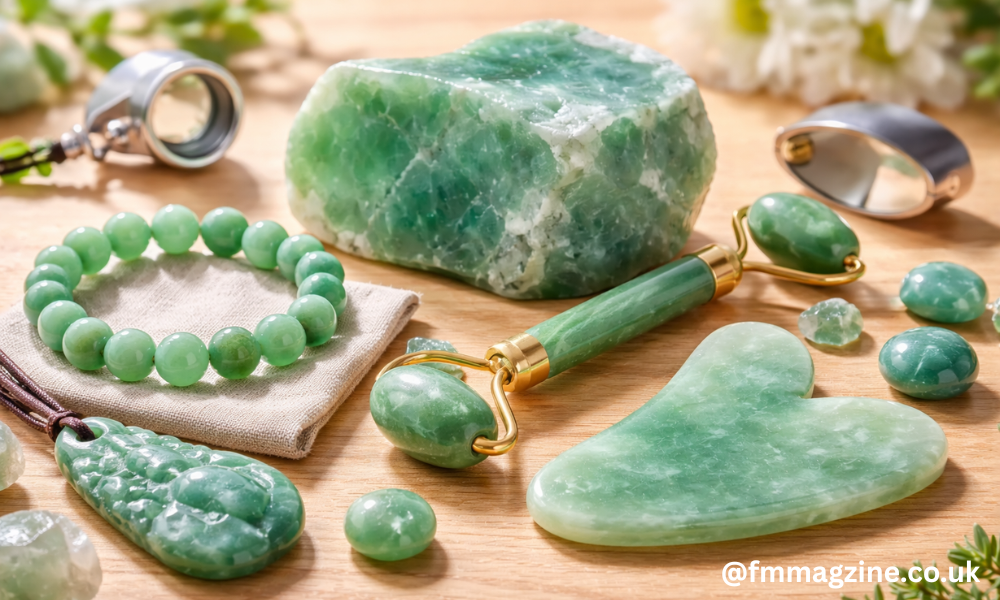
As jewelry, jadeite is loved because it’s tough and comfortable for daily wear. Bracelets and pendants are popular because they show more surface area and allow the stone’s texture and translucency to shine. Rings can be excellent too, but they get more knocks, so quality and setting matter.
As a daily carry stone, jadeite works well as a smooth piece kept in a pocket or bag. People like the tactile feeling and the small habit of touching it during stressful moments. Whether you see that as symbolism, mindfulness, or a personal ritual, it’s a simple tool for grounding attention.
As skincare tools, jadeite gua sha and rollers are widely used because jade feels naturally cool and glides well when paired with oil or serum. The benefits people notice most are short-term: a soothing massage, a refreshed feeling, and sometimes reduced appearance of puffiness. The key is gentle technique and clean tools.
If You Really Need A Subheading: A Safe, Simple Gua Sha Routine
Use gua sha on clean skin with a facial oil or a slippery serum so you don’t drag the skin. Hold the tool at a low angle and use light pressure—think “massage,” not “scraping.” Work in slow strokes from the center of the face outward, and from the neck upward, spending about three to five minutes.
Avoid aggressive pressure, especially around the eyes. If your skin is irritated, inflamed, or healing (for example after strong exfoliants), skip the massage until your skin is calm. Clean the tool after each use with gentle soap and water, then dry it fully so it stays hygienic.
This routine sounds basic, but it’s exactly what keeps gua sha from becoming a source of redness or sensitivity.
Jadeitový Kameň Meaning And “Effects”: A Balanced, Responsible View
A lot of people search for jadeitový kameň because they’ve heard it is a “stone of harmony,” “luck,” or emotional balance. It’s fine to enjoy stones for their symbolism, and many people find that rituals—like wearing a meaningful bracelet or using a stone during reflection—can support calm and focus.
At the same time, it’s important to keep claims realistic. Gemstones are not medical treatments, and they shouldn’t replace professional care. A healthier way to think about jadeite “effects” is that it can be part of a calming routine: a personal reminder, a tactile object that slows you down, or a tradition you connect with. When you treat it that way, it becomes a supportive habit rather than a promise.
If you want to make your use feel more intentional, pair it with a real, measurable habit: a short walk, three minutes of breathing, journaling, or a nightly wind-down routine. The stone becomes the cue, and the habit is the true benefit.
Price And Value: What Makes Jadeitový Kameň Expensive (or Affordable)
Jadeite prices vary dramatically, and this surprises first-time buyers. The biggest drivers are color quality, translucency, texture, size, craftsmanship, and whether the stone is treated. A small piece with exceptional color and translucency can cost more than a much larger, duller piece.
High-end jadeite jewelry also reflects design and setting quality. A well-made setting protects the stone and makes it comfortable to wear. For carved pieces, skill matters too—fine carving can add real value, while rough work can make even good material look cheap.
If your goal is a beautiful everyday piece, you don’t need the top grade. Many mid-range stones look excellent and are more forgiving on budget. The smartest approach is to decide your priority first: color, translucency, size, or “natural untreated” status. You usually can’t maximize all four without paying a premium.
How To Choose Jadeitový Kameň Online Without Regret
Buying jadeite online can work well if you follow a few professional habits. First, look for sellers who show multiple photos in consistent lighting, plus at least one daylight image or video. Jadeite can look different under warm indoor bulbs, and honest sellers understand that.
Second, read descriptions for clarity. You want straightforward terms like “jadeite,” “nephrite,” “treated/dyed,” “natural,” and measurements. Vague phrases like “energy stone,” “luxury jade,” or “premium quality” without specifics don’t help you.
Third, check return policies. Jadeite is personal—some pieces look great in photos but don’t feel right in real life. A reasonable return window reduces risk.
Finally, if the price is high, consider independent verification. Even one basic lab report can save you from an expensive mistake.
Cleaning And Care: Keep Jadeitový Kameň Looking New For Years
Jadeite is tough, but it still benefits from gentle care. Clean it with mild soap and lukewarm water, then dry with a soft cloth. For jewelry, remove it before using strong household chemicals or when applying heavy perfumes and hairsprays.
If your jadeite has been resin-treated, be extra careful with heat and harsh cleaners. Avoid ultrasonic cleaners unless a jeweler confirms your piece is safe for that method. When storing jadeite, keep it separate from harder gemstones and metal items that could scratch the polish.
A small routine that works well: wipe your jadeite jewelry with a soft cloth after wearing. It removes skin oils and keeps the surface bright without needing frequent washing.
Conclusion
Jadeitový kameň is a smart choice if you want a durable, meaningful stone with real history, a calm visual presence, and practical uses—from jewelry to skincare tools. The key to a good experience is buying with clarity: know whether you’re getting jadeite or nephrite, understand how treatments affect value, and choose a piece you genuinely enjoy rather than chasing labels.
If you want a daily-wear stone that feels timeless, jadeite is hard to beat. Buy from transparent sellers, prioritize quality you can see (color, texture, translucency), care for it gently, and it can remain a beautiful part of your routine for many years.
FAQ’S:
What Is Jadeitový Kameň?
Jadeitový kameň is jadeite, a natural mineral that belongs to the pyroxene group. It is one of the two stones commonly called “jade,” the other being nephrite. Jadeite is valued for its smooth texture, durability, and beautiful colors, especially shades of green.
Is Jadeitový Kameň The Same As Jade?
Not exactly. The word “jade” is a general term that usually refers to either jadeite or nephrite. Jadeite is typically rarer and can appear more translucent and vibrant, which often makes it more valuable in jewelry.
How Can I Tell If A Jadeitový Kameň Is Real?
Real jadeite usually has a smooth texture, natural color variations, and a cool feel when first touched. It should not look overly bright or perfectly uniform. Buying from trusted sellers and asking for gemological verification is the safest way to confirm authenticity.
What Is Jadeitový Kameň Commonly Used For?
Jadeite is widely used in jewelry such as bracelets, pendants, and rings. It is also popular in skincare tools like gua sha and facial rollers because the stone feels naturally cool and smooth against the skin.
How Should Jadeitový Kameň Be Cleaned And Cared For?
Clean jadeite using mild soap and lukewarm water, then dry it with a soft cloth. Avoid strong chemicals and store the stone separately from harder materials to prevent scratches and maintain its polish.
Looking for more? Browse other articles on the site.
Disclaimer:
The information in this article about jadeitový kameň is provided for general educational and informational purposes only. While we aim to share accurate and helpful details about jadeite, the content should not be considered professional, medical, or financial advice. Any references to traditional beliefs or possible effects of the stone are based on cultural practices and personal experiences, not scientific proof. Readers should verify product authenticity with trusted sellers and consult qualified professionals when necessary. The website is not responsible for any decisions or purchases made based on this information.