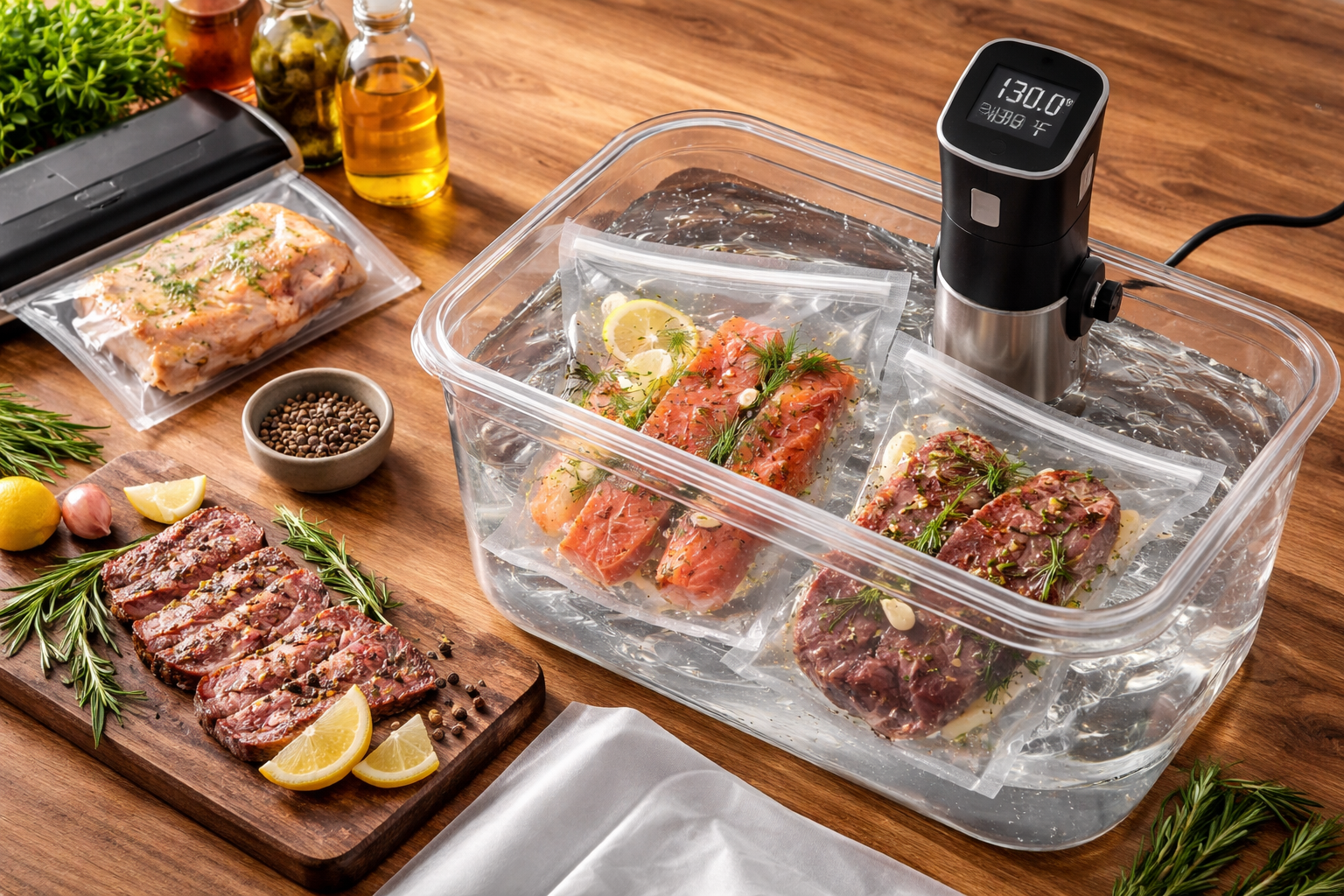
Souvite, often recognized as sous vide cooking, is a modern method that has steadily gained popularity among home cooks and professional chefs alike. The idea behind souvite is simple: cooking food slowly in a temperature-controlled water bath to achieve precise and consistent results. While it may sound technical at first, this method is surprisingly approachable once you understand the basics. In recent years, more people have turned to souvite because it removes much of the guesswork from cooking and helps produce meals that are both flavorful and evenly cooked. This guide will walk you through everything you need to know, from how it works to practical tips you can use in your own kitchen.
What Is Souvite Cooking
Souvite cooking is a technique where food is sealed in a bag and placed in a water bath that is maintained at a specific temperature. Unlike traditional cooking methods that rely on high heat, souvite uses lower temperatures over a longer period of time. This allows the food to cook evenly from edge to center without overcooking the outer layers.
The method is based on precision. Instead of guessing when your food is done, you set the exact temperature you want your food to reach. For example, if you want a steak cooked medium, you simply set the water to that exact temperature. The result is consistent every time, which is one of the main reasons people are drawn to souvite cooking.
How Souvite Cooking Works
The process of souvite cooking follows a few simple steps, but each one plays an important role. First, the food is placed into a sealed bag. This can be done using a vacuum sealer or even a zip-lock bag with air removed carefully. Removing the air helps the food cook evenly and prevents it from floating.
Next, the sealed bag is placed into a water bath. An immersion circulator is typically used to heat the water and keep it moving, ensuring that the temperature remains stable throughout the cooking process. The food is then left to cook for a specific amount of time, depending on what you are preparing.
After cooking, many foods, especially meats, are quickly seared in a hot pan. This step adds texture and enhances flavor by creating a golden-brown crust. Even though the food is already cooked internally, this finishing touch makes a noticeable difference in taste and presentation.
Essential Equipment You Need For Souvite
To get started with souvite, you do not need a complicated setup, but a few tools will make the process much easier. The most important device is an immersion circulator. This tool heats the water and keeps it at a constant temperature, which is essential for accurate cooking.
A container or pot is also required to hold the water. Many beginners simply use a large cooking pot, while others prefer dedicated containers designed for souvite. For sealing food, a vacuum sealer is helpful, but not absolutely necessary. Many people successfully use resealable plastic bags by removing the air manually.
While there are more advanced tools available, starting with these basics is enough. As you gain experience, you may choose to upgrade your equipment, but it is not required to achieve good results.
Key Benefits Of Souvite Cooking
One of the biggest advantages of souvite cooking is precision. Because the temperature is controlled so carefully, it is very difficult to overcook your food. This makes it especially useful for items like steak, chicken, and fish, where timing is often critical.
Another benefit is moisture retention. Since the food is sealed in a bag, it cooks in its own juices. This helps preserve flavor and prevents the dryness that can happen with traditional methods. Many people notice that their meals taste richer and more tender when prepared using souvite.
Souvite is also convenient for meal preparation. You can cook food in advance and store it until you are ready to eat. When needed, you can quickly reheat or finish the dish. This makes it a practical option for busy individuals who want consistent results without spending too much time in the kitchen.
Best Foods To Cook Using Souvite
Souvite works well with a wide variety of foods, but some items benefit more than others. Meat is one of the most popular choices. Steaks come out evenly cooked with a tender texture, while chicken remains juicy and flavorful.
Seafood is another excellent option. Fish can be delicate and easy to overcook, but souvite allows you to control the process with precision. Vegetables can also be prepared using this method, often resulting in brighter flavors and better texture compared to boiling.
Eggs are commonly cooked using souvite as well, especially for dishes that require a specific consistency. Even desserts like custards can be made using this technique. While not every food is ideal for souvite, experimenting with different ingredients can help you discover what works best for your taste.
Common Mistakes Beginners Make
Many beginners make small mistakes when starting with souvite, but these can be easily avoided with a bit of awareness. One common issue is setting the wrong temperature. Since souvite relies on accuracy, even a small difference can affect the final result.
Another mistake is not sealing the bag properly. If air remains inside, the food may not cook evenly or could float above the water. Taking the time to remove as much air as possible helps improve results.
Skipping the searing step is also a common oversight. While the food may be fully cooked, it can lack the texture and flavor that come from browning. A quick sear at the end can make a significant difference.
Is Souvite Safe
Food safety is an important consideration, and souvite cooking can be safe when done correctly. The key is maintaining the proper temperature for the right amount of time. Cooking at controlled temperatures helps reduce the risk of harmful bacteria.
It is also important to handle food properly before and after cooking. Using clean equipment, storing food at safe temperatures, and avoiding cross-contamination are all essential practices. When these guidelines are followed, souvite can be just as safe as traditional cooking methods.
Souvite Is Traditional Cooking
Souvite and traditional cooking methods each have their own strengths. Traditional cooking is often faster and more familiar, making it suitable for everyday meals. It also allows for more direct control over texture and flavor during the cooking process.
Souvite, on the other hand, focuses on precision and consistency. It is ideal for dishes where exact temperature matters. While it may take longer, the results are often more predictable. Many cooks find that using both methods together gives the best overall results, depending on the situation.
Pro Tips To Get Better Results
Improving your souvite cooking does not require advanced skills, but a few practical tips can make a big difference. Seasoning your food before sealing it helps enhance flavor during cooking. Adding herbs or simple marinades can also improve the final taste.
Using an ice bath after cooking can be helpful if you are preparing food in advance. This quickly cools the food and makes it easier to store safely. Timing is another important factor. While souvite is forgiving, leaving food in the water for too long can affect texture.
Paying attention to small details, such as water levels and proper sealing, can help you achieve more consistent results over time.
Who Should Use Souvite Cooking
Souvite cooking is suitable for a wide range of people. Beginners appreciate the simplicity and consistency it offers, while experienced cooks enjoy the level of control it provides. It is also a good option for those who want to improve their cooking without relying on complex techniques.
Busy individuals often find souvite useful for meal planning, as it allows food to be prepared ahead of time. Health-conscious people may also benefit, as the method helps retain nutrients and reduces the need for excess oils or fats.
Overall, souvite is a flexible cooking method that can fit into many different lifestyles and preferences.
Conclusion
Souvite cooking offers a practical and reliable way to prepare meals with precision and consistency. By using controlled temperatures and simple techniques, it helps produce food that is evenly cooked, flavorful, and satisfying. While it may seem unfamiliar at first, the process becomes straightforward with a little practice.
As more people discover the benefits of souvite, it continues to grow as a popular choice for both everyday cooking and special meals. Whether you are just starting out or looking to refine your skills, this method provides a valuable addition to your kitchen routine.
FAQ’s:
What Does Souvite Mean?
Souvite refers to a cooking method (commonly known as sous vide) where food is cooked in a sealed bag at a controlled, low temperature in water.
Do I Need Special Equipment For Souvite Cooking?
Yes, the main tool is an immersion circulator. However, you can start with basic kitchen items like a pot and resealable bags.
Is Souvite Cooking Safe For Everyday Use?
Yes, it is safe when proper temperatures and cooking times are followed, along with basic food safety practices.
What Foods Are Best For Souvite Cooking?
Meat, fish, eggs, and some vegetables work especially well because they benefit from precise temperature control.
Why Do People Sear Food After Souvite Cooking?
Searing adds a crispy texture and enhances flavor, especially for meats, which cannot be achieved in the water bath alone.
Looking for more? Browse other articles on the site.
Disclaimer
This article is provided for general informational and educational purposes only. While every effort has been made to ensure the accuracy and usefulness of the information about souvite cooking, results may vary depending on individual methods, equipment, and experience. Readers are advised to follow proper food safety guidelines, including recommended temperatures and hygiene practices, when preparing meals.