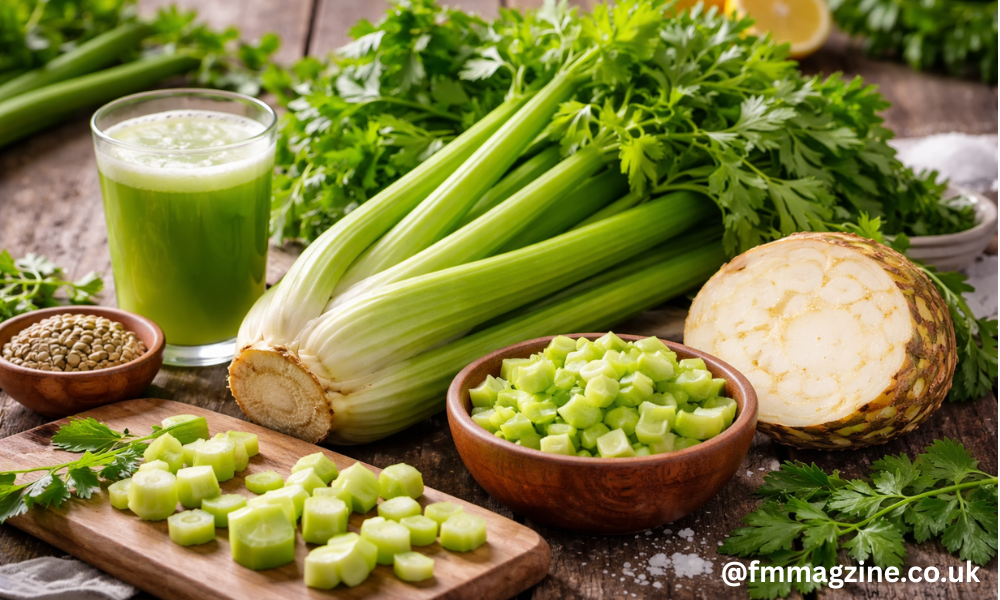
Pravi celer is a term that literally translates to “true celery,” and it is often used to describe natural, whole celery in its most authentic form. While celery is commonly seen as a simple vegetable added to soups or salads, pravi celer represents much more than that. It reflects traditional cultivation methods, full-plant usage, and a deeper appreciation for the nutritional and medicinal qualities of this humble plant. In recent years, interest in natural foods and traditional remedies has increased, and that has brought new attention to pravi celer as a wholesome and functional ingredient.
People searching for pravi celer are usually looking for clear information about its meaning, health benefits, uses, and differences from regular store-bought celery. This guide provides a complete and practical understanding of the topic, written in simple language and supported by factual details. Whether you want to improve your diet or simply learn more about this vegetable, this article will give you the full picture.
What Is Pravi Celer
Pravi celer refers to celery that is grown and used in its natural, traditional form. The word “pravi” in several Slavic languages means “real” or “true,” so the phrase emphasizes authenticity. It usually points to celery that has not been heavily processed or altered and includes all edible parts of the plant, such as stalks, leaves, roots, and sometimes seeds.
Botanically, celery belongs to the species Apium graveolens. There are different varieties, including stalk celery and celeriac, which is grown for its root. In many traditional kitchens, the entire plant is valued. The leaves are used for flavor, the stalks for crunch and hydration, and the root for hearty dishes. When people talk about pravi celer, they often mean this complete, whole-plant approach instead of using only one part.
Understanding this definition is important because it shapes how the vegetable is consumed and appreciated. Pravi celer is not just about taste; it is about using the plant in a balanced and natural way.
Historical And Cultural Background
Celery has been cultivated for thousands of years. Historical records show that ancient Mediterranean civilizations used celery not only as food but also as a medicinal herb. In some regions of Eastern Europe and the Balkans, celery became a staple ingredient in soups, broths, and stews. Over time, the idea of pravi celer developed as a way to distinguish traditional celery from modern hybrid or mass-produced varieties.
In rural households, celery was often grown in home gardens. Families relied on it for daily cooking and seasonal preservation. It was common to dry the leaves for winter use or store the roots in cool cellars. This practical, whole-plant use strengthened the belief that celery was a valuable and complete food.
Culturally, pravi celer is linked to home cooking, natural remedies, and balanced nutrition. Even today, many people associate it with simple, homemade meals and traditional health practices.
Nutritional Profile Of Pravi Celer
One of the main reasons pravi celer remains popular is its impressive nutritional profile. Celery is composed of about 95 percent water, which makes it excellent for hydration. Despite being low in calories, it contains important vitamins and minerals that support overall health.
Pravi celer is a good source of vitamin K, which plays a role in blood clotting and bone health. It also contains vitamin C, which supports the immune system and helps protect cells from oxidative stress. Potassium is another important mineral found in celery, contributing to healthy blood pressure and muscle function.
In addition to vitamins and minerals, celery contains dietary fiber. Fiber helps regulate digestion, supports gut health, and can promote a feeling of fullness after meals. The leaves and seeds contain plant compounds such as flavonoids, including apigenin and luteolin, which have antioxidant properties. These compounds help protect the body from damage caused by free radicals.
By using the whole plant, pravi celer provides a broader range of nutrients compared to consuming only the stalks.
Health Benefits Of Pravi Celer
Many people include pravi celer in their diet because of its potential health benefits. While it should not replace medical treatment, it can be a valuable part of a balanced lifestyle.
First, celery supports digestive health. The fiber content helps maintain regular bowel movements and supports beneficial gut bacteria. In traditional practices, celery tea or broth has been used to ease mild bloating or discomfort.
Second, the natural antioxidants in celery may help reduce inflammation in the body. Chronic inflammation is linked to various long-term health conditions, so consuming antioxidant-rich foods is generally recommended as part of a healthy diet.
Third, celery is often associated with heart health. Its potassium content supports normal blood pressure levels, and certain plant compounds may help relax blood vessel walls. Because it is low in calories and fat, pravi celer can also support weight management when used as part of a balanced meal plan.
Finally, its high water content helps maintain hydration. Proper hydration supports skin health, kidney function, and overall energy levels.
Culinary Uses Of Pravi Celer
Pravi celer is highly versatile in the kitchen. The stalks are commonly eaten raw as a crunchy snack or chopped into salads. They add freshness and texture to many dishes. The leaves, which are sometimes overlooked, have a strong flavor and can be used like herbs in soups, sauces, or spreads.
The root, especially in the case of celeriac, is often peeled and cooked. It can be mashed, roasted, or added to stews for a rich, earthy taste. In some traditional recipes, celery root is combined with potatoes to create a balanced and flavorful puree.
Celery is also a key ingredient in many classic soup bases. When combined with onions and carrots, it forms a foundation for broths and sauces in various cuisines. Some people enjoy celery juice as part of their morning routine, although it is best consumed in moderation and as part of a varied diet.
From personal kitchen experience, pairing celery with ingredients like lemon, parsley, apples, or nuts can balance its slightly bitter flavor. Fresh celery should feel firm and crisp, with bright green leaves.
How To Choose And Store Pravi Celer
Selecting high-quality celery makes a noticeable difference in taste and texture. When buying pravi celer, look for firm stalks that snap easily. The color should be vibrant, and the leaves should not appear wilted or yellow.
If possible, choose celery grown locally or organically, as this often supports better flavor and fewer chemical residues. Farmers’ markets are a good place to find fresh, seasonal produce.
To store celery, wrap it loosely in aluminum foil or place it in a breathable bag in the refrigerator. This helps maintain its crispness for a longer period. Celery root should be kept in a cool, dry place or in the refrigerator’s vegetable drawer.
Proper storage prevents waste and ensures you can enjoy the vegetable at its best quality.
Potential Side Effects And Precautions
Although pravi celer is generally safe for most people, there are a few precautions to consider. Some individuals may have celery allergies, which can cause symptoms such as itching, swelling, or digestive discomfort. If you suspect an allergy, it is important to consult a healthcare professional.
Celery also contains natural compounds that may interact with certain medications, especially those related to blood clotting or kidney function. People with specific medical conditions should speak with their doctor before making significant dietary changes.
Because celery has natural sodium content, individuals on strict low-sodium diets should monitor their intake. However, for most healthy individuals, moderate consumption is not a concern.
Washing celery thoroughly before use helps remove dirt and possible pesticide residues. Simple steps like these support safe and responsible consumption.
Conclusion
Pravi celer represents more than just a common vegetable. It reflects a traditional, whole-plant approach to celery that values authenticity, nutrition, and balanced living. From its historical roots to its modern culinary uses, pravi celer continues to play an important role in many kitchens around the world.
Rich in vitamins, minerals, fiber, and antioxidants, it supports digestion, hydration, and overall wellness when included in a varied diet. Its versatility makes it easy to add to soups, salads, juices, and cooked dishes. At the same time, mindful selection and proper storage ensure the best flavor and nutritional value.
For anyone seeking a natural, simple, and nutrient-dense food, pravi celer is a practical choice. By understanding its background, benefits, and uses, you can confidently include it in your daily meals and enjoy its contribution to a healthy lifestyle.
FAQ’s:
What Does Pravi Celer Mean?
Pravi celer means “true celery” and usually refers to natural, traditionally grown celery used in its whole form, including stalks, leaves, and roots.
Is Pravi Celer Different From Regular Celery?
Pravi celer emphasizes whole-plant use and traditional cultivation, while regular celery often refers to commercially grown stalk celery sold in supermarkets.
What Are The Main Health Benefits Of Pravi Celer?
Pravi celer supports digestion, hydration, heart health, and provides important nutrients like vitamin K, vitamin C, potassium, and fiber.
Can You Eat All Parts Of Pravi Celer?
Yes, the stalks, leaves, and root (celeriac) can all be eaten and used in different recipes.
Is Pravi Celer Safe To Eat Daily?
For most people, moderate daily consumption is safe, but individuals with celery allergies or specific medical conditions should consult a healthcare professional.
Looking for more? Browse other articles on the site.
Disclaimer:
The information provided in this article about pravi celer is for general educational and informational purposes only. It is not intended to replace professional medical advice, diagnosis, or treatment. While we aim to provide accurate and well-researched content, individual health needs may vary. Always consult a qualified healthcare professional or nutrition expert before making significant changes to your diet, especially if you have allergies, medical conditions, or are taking medication.