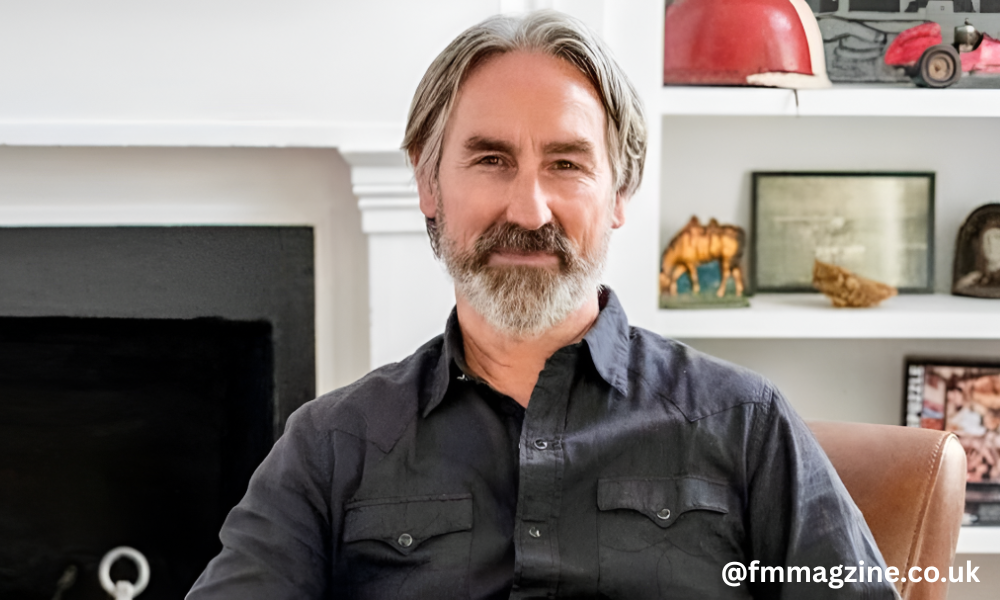
The phrase mike wolfe passion project has gained attention far beyond fans of reality television. While many people know Mike Wolfe as the creator and longtime host of the History Channel series American Pickers, his work off-camera has slowly become just as meaningful. What began as a love for old motorcycles, forgotten barns, and dusty roadside finds has grown into a deeper mission centered on historic preservation, small-town revival, and storytelling.
The Mike Wolfe passion project is not a single building or business. It is an ongoing effort to protect American history, support skilled craftspeople, and restore character to communities that risk being overlooked. For readers searching for clarity about what this project truly involves, this guide explains the background, purpose, real examples, community impact, and future direction of his work in a practical and easy-to-understand way.
Who Is Mike Wolfe And How Did This Passion Begin?
Mike Wolfe was born in Illinois and raised in Iowa, where he developed an early fascination with old bicycles, motorcycles, and discarded objects that carried stories from the past. Long before television fame, he was traveling back roads searching for antiques and forgotten relics. That curiosity later became the foundation for American Pickers, which introduced millions of viewers to the idea that history can live inside everyday objects.
Over time, Wolfe’s interests moved beyond collecting and reselling antiques. He began to focus more on the spaces those objects came from—old gas stations, historic storefronts, industrial buildings, and small-town landmarks. He saw that when these places disappear, communities lose more than bricks and wood; they lose memory, identity, and local pride. This realization shaped what people now call the Mike Wolfe passion project.
What The Mike Wolfe Passion Project Really Means
At its core, the Mike Wolfe passion project is about preservation with purpose. It combines historic restoration, storytelling, and economic revitalization. Instead of tearing down aging structures, Wolfe invests in restoring them carefully and respectfully, often maintaining original architectural details and honoring their past uses.
The project also promotes the idea that small towns matter. In an era when development often favors large cities and modern construction, his approach highlights the value of craftsmanship, authenticity, and local character. The goal is not luxury redevelopment or flashy expansion. It is thoughtful restoration that keeps the spirit of a place intact while giving it new life.
Restoring Historic Buildings With Care And Authenticity
One of the most visible parts of the Mike Wolfe passion project involves purchasing and restoring historic buildings. These structures often include early 20th-century storefronts, service stations, and industrial properties that have fallen into neglect. Instead of modernizing them beyond recognition, the restoration process usually preserves exposed brick, original woodwork, metal signage, and period-correct finishes.
Wolfe has been particularly active in Columbia, where he has invested in revitalizing parts of the downtown area. By restoring buildings rather than replacing them, the project supports local contractors, preservation experts, and tradespeople. This method protects architectural heritage while also making the spaces usable for modern businesses.
The careful restoration approach reflects a larger philosophy: history should be lived in, not stored away. When old buildings are given a second life, they become active contributors to the local economy rather than abandoned reminders of the past.
Revitalizing Small Towns And Supporting Local Economies
The Mike Wolfe passion project is closely connected to small-town revitalization. Instead of focusing only on major cities, Wolfe invests in communities that have experienced economic decline or reduced foot traffic. By restoring properties and opening businesses, he helps draw visitors back into these areas.
In Columbia, Tennessee, restored spaces have encouraged new shops, cafes, and creative businesses to open nearby. Increased tourism and media attention often follow. This ripple effect supports local employment and strengthens the sense of pride among residents.
Wolfe also maintains deep ties to LeClaire, where one of his well-known retail spaces, Antique Archaeology, operates. While many fans associate Antique Archaeology primarily with television, it also reflects his belief that brick-and-mortar spaces can serve as community gathering points and storytelling hubs.
Small towns benefit when investment is intentional and community-focused. The Mike Wolfe passion project demonstrates that preservation and economic growth do not have to compete with each other.
Preserving Craftsmanship And Traditional Skills
Another important aspect of the Mike Wolfe passion project is the celebration of traditional craftsmanship. Through interviews, collaborations, and media storytelling, Wolfe often highlights blacksmiths, woodworkers, mechanics, and artisans who continue to practice skilled trades.
He has also supported storytelling platforms such as Two Lanes, which shares stories about makers, travelers, and individuals who value authenticity and creative work. By showcasing these people, the project brings attention to careers and skills that are sometimes overlooked in modern digital culture.
This focus on craftsmanship sends a clear message: progress does not require abandoning tradition. Skilled trades play a role in both preservation and innovation. When communities invest in local makers, they protect knowledge that might otherwise disappear.
The Role Of Storytelling In The Passion Project
Storytelling is central to everything Wolfe does. Whether on television, online, or through public appearances, he emphasizes the human stories behind objects and buildings. An old motorcycle is not simply a machine; it represents the journeys of its previous owner. A restored gas station reflects decades of community life and local memory.
The Mike Wolfe passion project uses storytelling to build emotional connection. Instead of presenting restoration as a technical task, it frames it as a way to honor people and shared experiences. This perspective helps audiences understand why preservation matters.
From an SEO standpoint, storytelling also adds depth to content. Readers searching for information about the Mike Wolfe passion project are often looking for meaning, not just facts. A narrative approach makes the topic more engaging and informative.
Challenges Behind Historic Restoration
Restoring historic buildings is not simple. The process can involve structural repairs, zoning regulations, historical preservation guidelines, and financial risk. Older properties may require updated plumbing, electrical systems, and safety features, all while maintaining original character.
The Mike Wolfe passion project faces these challenges directly. Restoration often takes longer and costs more than new construction. There is also the responsibility of respecting community feedback and preserving authenticity.
Despite these obstacles, the long-term benefits can outweigh the difficulties. Restored properties attract visitors, increase surrounding property values, and create lasting cultural impact. The key is patience and collaboration with experienced professionals in architecture, construction, and preservation.
Community Response And Cultural Impact
Communities connected to the Mike Wolfe passion project often respond positively because the approach feels respectful rather than disruptive. Instead of replacing local culture, the restorations aim to highlight it.
Tourists who visit Columbia or LeClaire frequently explore nearby businesses, dine at local restaurants, and learn more about regional history. This increased visibility can encourage additional investment from other entrepreneurs.
Culturally, the project reinforces the idea that American history is not limited to major landmarks. Small storefronts, roadside signs, and neighborhood workshops are part of the national story. By protecting these spaces, the project contributes to a broader conversation about identity and heritage.
How Individuals Can Support Similar Efforts
Readers inspired by the Mike Wolfe passion project do not need television exposure or large budgets to make a difference. Supporting local preservation groups, shopping at independent stores, and learning about the history of one’s own town are meaningful first steps.
Volunteering with historical societies or advocating for adaptive reuse of older buildings can also help protect local character. Even sharing stories about longtime businesses or neighborhood landmarks keeps memory alive.
The broader lesson is simple: preservation begins with awareness. When people value their community’s past, they are more likely to protect it.
The Future Of The Mike Wolfe Passion Project
As interest in heritage tourism and sustainable development continues to grow, the Mike Wolfe passion project is likely to expand in influence. The model of restoring rather than demolishing aligns with environmental responsibility as well as cultural preservation.
Future projects may include additional building restorations, expanded storytelling platforms, and deeper partnerships with artisans and local leaders. While specific plans evolve over time, the core mission remains consistent: protect history, support makers, and strengthen communities.
By staying focused on authenticity rather than trends, the project has maintained credibility. That consistency is one reason it continues to attract attention from fans, preservationists, and entrepreneurs alike.
Conclusion
The mike wolfe passion project represents far more than a side interest from a television personality. It reflects a long-standing belief that history deserves care, small towns deserve investment, and craftsmanship deserves recognition. Through building restoration, storytelling, and community engagement, the project connects the past with the present in practical and meaningful ways.
For anyone researching the Mike Wolfe passion project, the key takeaway is clear: preservation is not about nostalgia alone. It is about creating spaces where history remains visible and useful. By restoring buildings, supporting artisans, and encouraging thoughtful development, this ongoing effort demonstrates how one person’s passion can influence entire communities.
FAQ’s:
What Is The Mike Wolfe Passion Project?
The Mike Wolfe passion project is an ongoing effort focused on restoring historic buildings, supporting traditional craftsmanship, and revitalizing small towns through preservation and storytelling.
Where Is Mike Wolfe’s Restoration Work Mainly Located?
Much of his restoration work has taken place in Columbia, Tennessee, and LeClaire, Iowa, where he has invested in historic properties and community-focused spaces.
Is The Passion Project Connected To American Pickers?
While Mike Wolfe became widely known through American Pickers, the passion project goes beyond the TV show and focuses more on preservation, community development, and heritage storytelling.
How Does The Project Help Local Communities?
By restoring buildings and attracting visitors, the project supports local businesses, creates economic activity, and helps preserve the cultural identity of small towns.
How Can Someone Support Efforts Similar To Mike Wolfe’s Passion Project?
People can support local preservation groups, shop at independent businesses, advocate for restoring historic properties, and learn about the history of their own communities.
Looking for more? Browse other articles on the site.
Disclaimer:
The information provided in this article about the Mike Wolfe passion project is for general informational and educational purposes only. Details may vary over time as projects evolve or new developments take place. Readers are encouraged to verify information through official sources for the most accurate updates. This website is not affiliated with or endorsed by Mike Wolfe and is not responsible for any decisions made based on this content.