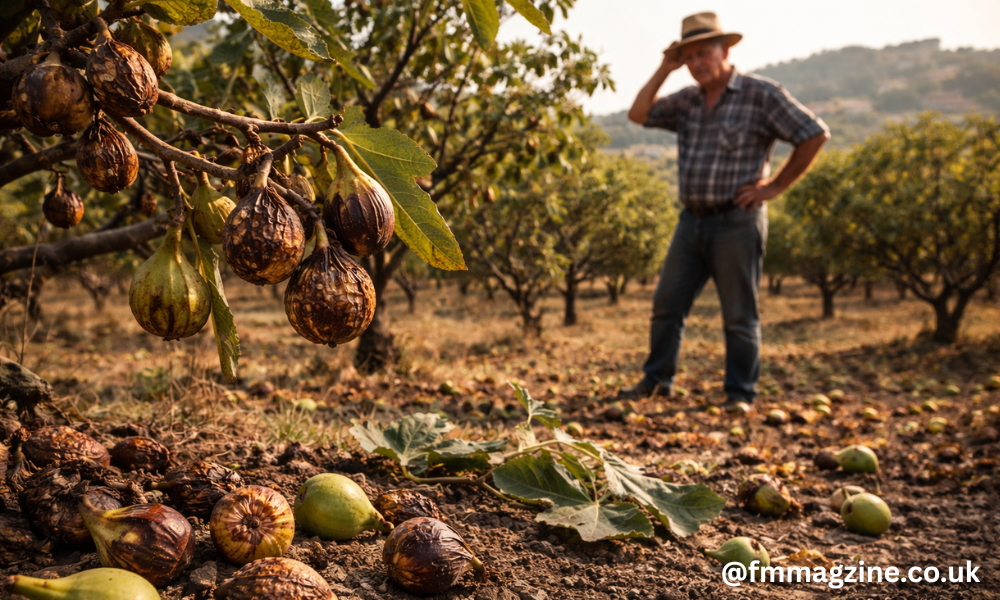
Italian fig crop loss has become an increasing concern for farmers, exporters, and agricultural experts across the country. Figs have been grown in Italy for centuries, not only as a commercial fruit but also as part of regional identity and culinary tradition. When production drops sharply, the effects go far beyond the orchard.
In recent years, several growing regions have reported significant yield reductions due to climate stress, pests, disease outbreaks, and shifting agricultural conditions. Understanding the reasons behind Italian fig crop loss is essential for growers who want to protect their harvests and for readers who want a clear picture of what is happening in this important sector.
The Importance Of Fig Farming In Italy
Italy is one of Europe’s well-known fig-producing countries, with strong cultivation in regions such as Apulia, Calabria, Campania, and Sicily. In many rural communities, fig orchards are family-owned and have been passed down through generations. The fruit is sold fresh, dried, or processed into jams and traditional sweets.
Figs also contribute to local employment, seasonal labor, and small export markets. Because the crop is often grown on small to medium-sized farms, even moderate yield reductions can have a direct impact on household income. This makes Italian fig crop loss not just an agricultural issue, but an economic and social one as well.
Recent Production Trends And Yield Decline
Over the past decade, Italy has experienced fluctuations in fig production. Some seasons have been stable, but others have shown sharp drops in harvested volume. In certain areas, farmers have reported losing a large percentage of their expected yield due to extreme weather or disease outbreaks.
Lower productivity is sometimes linked to reduced fruit size, premature fruit drop, or poor pollination. In addition, aging orchards and limited reinvestment in new plantings have slowed recovery in some districts. When multiple stress factors occur in the same season, total output can fall well below the national average.
Climate Change And Extreme Weather Events
One of the leading contributors to Italian fig crop loss is climate instability. Figs are well adapted to Mediterranean conditions, but they are still vulnerable to sudden weather changes. Late spring frosts can damage young shoots and flowers, reducing fruit formation early in the season.
During summer, prolonged heatwaves may cause sunburned fruit and dehydration stress. On the other hand, heavy rainfall close to harvest can lead to fruit cracking and fungal infections. These unpredictable weather patterns have become more frequent, making it harder for growers to plan irrigation, pruning, and harvest timing effectively.
Climate pressure does not always destroy a crop completely, but it weakens the trees. Over time, repeated stress can lower overall orchard productivity and increase susceptibility to pests and disease.
Pest Pressure And Invasive Species
Insects are another important factor in Italian fig crop loss. Bark beetles and other wood-boring insects can damage branches and reduce tree vigor. When infestations are not detected early, the internal structure of the tree may weaken, affecting fruit quality and quantity.
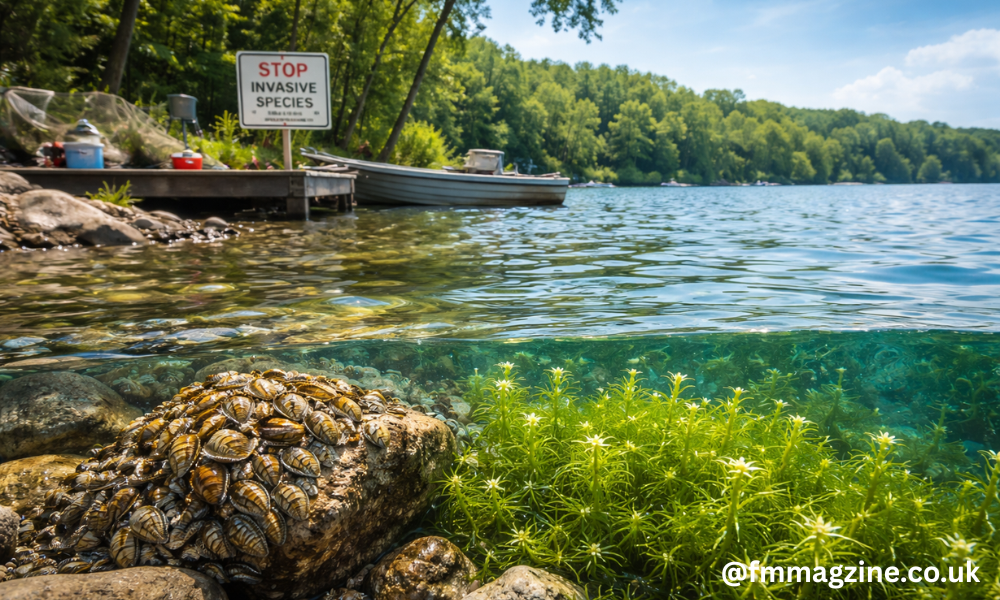
In some regions, invasive species have added new challenges. These pests may feed directly on fruit or create wounds that allow pathogens to enter. Warmer temperatures can also extend the breeding season of certain insects, increasing their population levels within a single year.
Effective monitoring is essential. Farmers who regularly inspect their orchards and use integrated pest management strategies are often better positioned to limit long-term damage.
Fungal Diseases And Tree Health Problems
Fungal infections are a serious concern for fig growers. Root rot, leaf spot, and branch cankers can reduce the tree’s ability to absorb nutrients and water. In humid conditions, fungal spores spread more easily, especially when orchards lack proper airflow.
Diseases often become more aggressive when trees are already stressed by drought or heat. A weakened tree cannot defend itself as effectively, which increases the risk of widespread infection. Once established, some fungal pathogens are difficult to remove completely and may require careful pruning or soil treatment.
Maintaining tree health through balanced fertilization and good drainage can help reduce vulnerability. Healthy trees are naturally more resilient and capable of producing consistent yields.
Soil Conditions And Water Management Challenges
Soil quality plays a major role in fruit production. In parts of southern Italy, long dry periods have reduced soil moisture to critical levels. Without efficient irrigation systems, fig trees may struggle to maintain fruit development during peak summer heat.
At the same time, poor drainage can create waterlogged conditions after heavy rains. Excess water around the roots can limit oxygen supply and promote fungal growth. Both drought and waterlogging can lead to fruit drop and lower overall yield.
Many growers are now investing in drip irrigation and soil improvement practices, such as adding organic matter. These steps help regulate moisture levels and support stronger root systems, which can reduce the risk of crop loss.
Economic Impact On Farmers And Local Communities
Italian fig crop loss directly affects farm income. When yields fall, farmers may struggle to cover production costs, including labor, fertilizers, irrigation, and pest control. For small-scale growers, even a single poor season can create financial pressure.
Local markets also feel the effect. Reduced supply may increase prices, but higher prices do not always compensate for lost volume. Export contracts can be harder to fulfill, which may weaken long-term trade relationships.
In rural areas where agriculture is a main source of employment, lower production can reduce seasonal job opportunities. This creates a broader economic ripple effect beyond the farm itself.
Adaptation Strategies And Practical Solutions
Despite the challenges, many farmers are adapting. Improved irrigation management is one of the most effective responses to climate stress. Drip systems allow precise water delivery and reduce waste, helping trees survive extended dry periods.
Pruning techniques have also evolved. By improving airflow and sunlight distribution within the canopy, growers can reduce fungal risk and improve fruit quality. Selecting more resilient fig varieties is another practical step, especially in regions facing repeated heatwaves.
Integrated pest management, which combines monitoring, biological controls, and limited chemical use, helps maintain balance in the orchard. Farmers who apply preventive strategies rather than reactive treatments often see better long-term results.
Research, Innovation, And Government Support
Agricultural research institutions in Italy are studying disease resistance, climate adaptation, and sustainable farming methods. New rootstocks and cultivation techniques are being tested to improve resilience against stress factors linked to Italian fig crop loss.
In some cases, regional authorities provide financial support or technical guidance to farmers investing in modernization. Access to training programs and updated agricultural knowledge can make a significant difference in reducing vulnerability.
Long-term solutions depend on collaboration between growers, researchers, and policymakers. Data collection, field trials, and shared best practices are essential for strengthening the industry.
Future Outlook For Italian Fig Production
The future of Italian fig production will depend on how effectively growers adapt to environmental and economic pressures. While crop loss has raised serious concerns, there is still strong demand for high-quality Italian figs in domestic and international markets.
If sustainable practices continue to expand and climate-smart strategies become standard, recovery is possible. Younger farmers entering the sector with modern techniques may also contribute to gradual improvement.
However, ignoring the warning signs could lead to continued decline. Proactive planning, soil management, and pest monitoring will remain central to protecting future harvests.
Conclusion
Italian fig crop loss is a complex issue shaped by climate change, pests, disease, soil conditions, and economic pressures. It affects not only individual farmers but also entire rural communities that depend on fig production for income and tradition.
Although recent seasons have highlighted serious vulnerabilities, there are practical solutions available. With improved irrigation, better pest control, healthier soil management, and continued research, the industry has a realistic path toward stabilization.
By understanding the causes behind Italian fig crop loss and applying consistent, science-based strategies, growers can protect their orchards and preserve a fruit that has long been part of Italy’s agricultural heritage.
FAQ’s:
What Is Causing Italian Fig Crop Loss In Recent Years?
Italian fig crop loss is mainly caused by climate change, extreme weather events, pest infestations, fungal diseases, and soil moisture problems. Heatwaves, late frosts, and heavy rains have made fig production more unpredictable.
Which Regions In Italy Are Most Affected By Fig Crop Loss?
Southern regions such as Apulia, Calabria, Campania, and Sicily are among the most affected because they are major fig-producing areas and are highly exposed to climate stress.
How Does Climate Change Impact Fig Production In Italy?
Climate change increases the frequency of droughts, heatwaves, and sudden storms. These conditions can damage flowers, reduce fruit size, cause fruit cracking, and weaken trees over time.
Can Farmers Prevent Fig Crop Loss Completely?
It is difficult to prevent losses completely, but farmers can reduce risks by using drip irrigation, proper pruning, pest monitoring, and improved soil management techniques.
Will Italian Fig Production Recover In The Future?
Recovery is possible if growers adopt climate-smart farming practices, invest in resilient varieties, and receive continued research and technical support. Long-term adaptation will be key to stability.
Looking for more? Browse other articles on the site.
Disclaimer:
This article about Italian fig crop loss is published for informational and educational purposes only. The content is based on general agricultural knowledge, publicly available data, and industry trends. It should not be considered professional farming, financial, or legal advice.