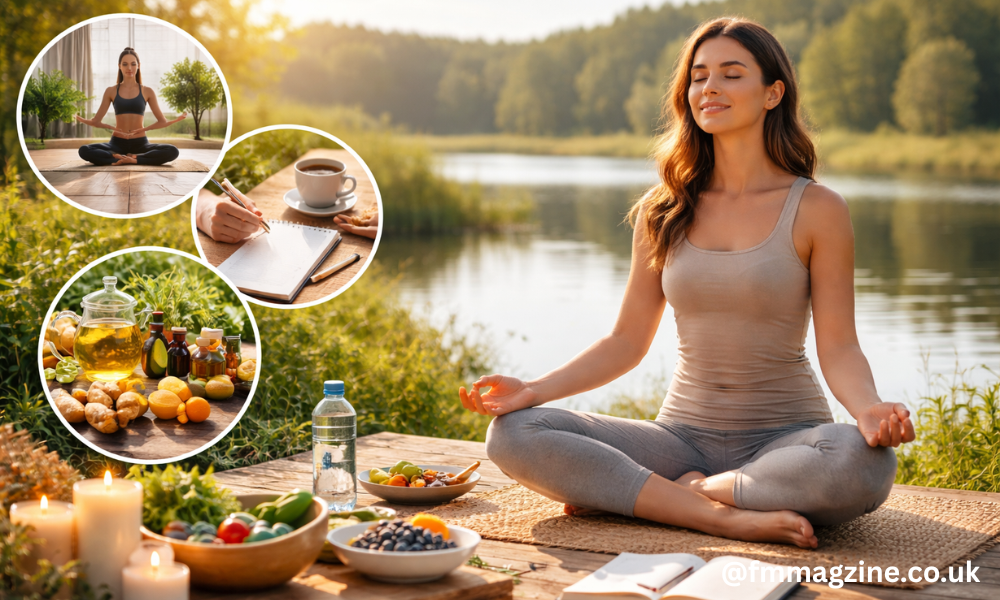
Holisticke is a term people often use when talking about a more complete and balanced way of living. Instead of looking at health, stress, energy, or daily habits as separate issues, holisticke brings them together and treats them as connected parts of one life. It is not about chasing perfection. It is about understanding how your body, thoughts, emotions, routine, and environment affect each other over time.
Many people are drawn to this idea because modern life can feel fragmented. You may eat in a rush, sleep poorly, sit too long, spend hours on screens, and still wonder why your energy feels low. A holisticke approach slows that pattern down. It encourages you to pay attention to the full picture instead of trying random quick fixes that only help for a short time.
This kind of topic works best when it is explained in a practical way. Readers usually do not need trendy language or vague advice. They need something simple, clear, and useful. That is why this article focuses on what holisticke means, why it matters, and how it can be applied in daily life without making things feel complicated.
What Holisticke Means
At its core, holisticke refers to a whole-person approach to well-being. It looks at health and daily living as something shaped by many connected factors, including food, sleep, stress, movement, mindset, relationships, work habits, and emotional balance. Instead of asking only what symptom needs attention, it asks what pattern may be creating the problem.
This is one reason the idea feels different from a narrow routine. For example, if someone feels tired all the time, a holisticke view would not stop at one surface-level answer. It would also consider sleep quality, hydration, work stress, meal timing, physical activity, and mental overload. The point is not to overcomplicate things. The point is to look at causes more carefully.
The term may sound modern, but the thinking behind it is familiar. Most people already know from experience that life works as a system. When sleep gets worse, mood often changes. When stress builds up, eating habits can become irregular. When the body feels neglected, focus usually suffers too. Holisticke simply puts that reality into one clear framework.
Why More People Are Interested In Holisticke Living
A lot of people are no longer satisfied with advice that feels too narrow or unrealistic. They want a way to care for themselves that actually fits ordinary life. This is where holisticke living becomes useful. It gives people permission to step back and improve their routines in a steady, realistic way instead of trying to transform everything in one weekend.
Another reason for its popularity is that people are tired of extremes. They do not want health advice that demands perfect diets, intense routines, or constant self-optimization. They want habits that support real energy, better sleep, calmer thinking, and more emotional steadiness. A holisticke mindset meets that need because it values consistency more than intensity.
It also appeals to people who have noticed that one change often affects many other areas. A person who starts sleeping better may also feel more patient, eat more regularly, and think more clearly. Someone who reduces stress may notice fewer cravings, better focus, and improved motivation. These small links are what make the holisticke view feel practical rather than abstract.
The Core Principle Behind Holisticke
The main principle behind holisticke is connection. Your life does not operate in isolated sections. Your body influences your thoughts, your thoughts influence your actions, and your actions shape your habits. Over time, those habits shape your overall health and quality of life.
This principle matters because many everyday problems do not come from one single cause. Low motivation may be tied to poor rest. Poor concentration may be linked to stress, overstimulation, or a routine with no recovery time. Constant irritability may have less to do with personality and more to do with exhaustion or emotional overload. A holisticke perspective helps people notice these links earlier.
It also supports a more patient kind of improvement. Instead of expecting one product, one method, or one perfect plan to solve everything, holisticke living encourages steady changes across daily life. That might mean improving sleep, eating more regularly, moving more often, limiting mental clutter, and creating better boundaries. None of these changes need to be dramatic to matter.
The Main Areas Of Holisticke Well-Being
Physical well-being is one of the clearest parts of holisticke living. This includes sleep, movement, hydration, nutrition, posture, rest, and general energy levels. When the body is under strain, it becomes harder to think clearly or stay emotionally balanced. That is why physical care is not a separate issue. It supports every other area of life.
Mental well-being is another key part. This includes focus, clarity, attention, and the ability to process information without becoming overwhelmed. Today, many people live in a constant state of digital noise. A holisticke approach recognizes that mental overload can affect sleep, mood, decision-making, and even physical tension. Caring for the mind is part of caring for the whole self.
Emotional well-being matters just as much. Stress, frustration, anxiety, disappointment, and burnout all influence daily habits. When emotions are ignored for too long, they often show up in other ways, such as fatigue, irritability, overeating, withdrawal, or lack of motivation. Holisticke living does not expect constant calm. It simply asks you to notice emotional patterns and respond to them more honestly.
Lifestyle and environment also play a major role. Your schedule, workspace, relationships, home atmosphere, and daily pace shape how you feel more than most people realize. A cluttered routine often creates a cluttered mind. A predictable, supportive environment usually makes healthy choices easier to maintain. This is why holisticke living is not limited to food or exercise alone.
How Daily Habits Shape A Holisticke Lifestyle
Small daily habits are often more powerful than big plans. A balanced lifestyle is usually built through repeated actions that feel manageable enough to continue. Drinking more water, sleeping at a regular time, taking short walks, eating without rushing, and reducing late-night screen time may sound simple, but these habits often create visible change when they are done consistently.
Morning and evening routines can be especially helpful. A calm start to the day can reduce mental chaos before it begins. A simple evening routine can help the body shift out of work mode and prepare for better rest. These routines do not need to be long. In many cases, five to fifteen minutes of intentional action is enough to create structure.
A good holisticke routine also leaves room for real life. Some days will be busy. Some weeks will feel messy. The goal is not to perform wellness perfectly. The goal is to return to supportive habits often enough that they become your normal rhythm rather than an occasional reset.
Food And Nutrition In A Holisticke Approach
Nutrition is an important part of holisticke living because food affects far more than hunger. It influences energy, concentration, mood, digestion, and even how stable you feel throughout the day. A practical approach usually works better than a strict one. Many people do best when they focus on regular meals, balanced portions, and foods that leave them feeling steady rather than drained.
Whole foods often fit well within this kind of lifestyle. Meals built around vegetables, fruits, grains, protein sources, healthy fats, and enough water tend to support more stable energy. This does not mean every meal needs to be perfect. It means your overall pattern should support your body instead of constantly working against it.
Mindful eating is also useful here. Many people eat while distracted, stressed, or in a hurry. Over time, that habit can make it harder to notice hunger, fullness, and food quality. A holisticke approach encourages more awareness at mealtimes. Even small changes, like slowing down and eating without multitasking, can improve the experience of food and your response to it.
Movement, Rest, And Physical Recovery
A holisticke lifestyle values movement, but it does not reduce movement to intense workouts only. The body responds well to many forms of activity, including walking, stretching, mobility work, cycling, yoga, or simple bodyweight exercises. The best form of movement is usually the one you can keep doing without turning it into a burden.
At the same time, rest is just as important as activity. Many people try to fix low energy by pushing harder, when the real need is recovery. Lack of sleep, poor downtime, and constant overstimulation can leave the nervous system feeling strained. Holisticke living treats rest as a basic part of health, not as something you earn only after exhaustion.
This is where balance matters most. Too little movement can leave the body sluggish, but too little rest can leave it constantly stressed. A good routine respects both sides. It allows the body to work, recover, and function with more stability over time.
Emotional Health And Stress Awareness
Stress is one of the biggest reasons people start looking for a more balanced lifestyle. It can affect digestion, sleep, patience, motivation, and the ability to make simple decisions. A holisticke approach does not pretend stress can be eliminated completely. Instead, it focuses on how stress is noticed, managed, and reduced before it starts shaping everything else.
Emotional awareness is part of this process. Many people do not realize how often they ignore what they feel until the pressure shows up physically. Headaches, tension, low mood, poor sleep, and irritability can all reflect emotional overload. Taking time to notice what is building up can prevent bigger problems later.
Simple practices can help. Journaling, slow breathing, quiet walking, prayer, reflection, or a few minutes without noise can create enough space for the mind to settle. These actions are not dramatic, but they help many people reconnect with themselves and respond with more clarity instead of reacting on autopilot.
The Role Of Environment In Holisticke Living
Your environment can either support your health or quietly work against it. This includes your home, your desk, your schedule, and even the way your day is structured. A holisticke lifestyle pays attention to these details because people often struggle less when their environment makes better choices easier.
For example, a sleep-friendly bedroom can support rest more than people expect. A cleaner workspace can reduce mental friction. A kitchen stocked with basic, reliable foods can make balanced eating much easier during busy days. None of this has to be expensive. The point is to create conditions that support the kind of life you want to maintain.
Relationships are part of the environment too. The people around you affect your stress, confidence, habits, and emotional stability. Healthy connection can improve well-being in quiet but meaningful ways. Supportive conversations, clear boundaries, and time with people who respect your peace all fit naturally into a holisticke way of living.
Common Mistakes People Make When Trying Holisticke Habits
One common mistake is trying to change everything at once. People often start with good intentions, build an unrealistic plan, and then feel disappointed when it does not last. A better approach is to begin with one or two meaningful changes and let them become stable before adding more.
Another mistake is copying someone else’s routine without considering personal needs. A habit that works well for one person may not suit another person’s schedule, energy, budget, or responsibilities. Holisticke living works best when it is adjusted to real life rather than borrowed in a rigid way.
Some people also focus too much on one area while ignoring the others. They may improve diet but continue sleeping badly. They may exercise more but stay under constant stress. They may work on mindset while neglecting physical recovery. The strength of holisticke living is that it encourages balance across different areas, not overinvestment in one while the rest are left behind.
How To Start Holisticke Living In A Realistic Way
The best way to begin is by noticing where your daily life feels most out of balance. It may be sleep, stress, food habits, inactivity, mental overload, or lack of structure. Once you identify the pressure point, choose the smallest useful action that can improve it. That might be sleeping thirty minutes earlier, taking one walk a day, drinking more water, or creating a calmer evening routine.
It also helps to track simple signals rather than chasing perfect outcomes. Pay attention to energy, mood, focus, and sleep quality. These signs often tell you more than strict rules do. Holisticke living becomes easier when you learn to observe what actually helps your body and mind function better.
The most sustainable mindset is patience. Healthy routines usually become powerful through repetition, not intensity. When people let go of all-or-nothing thinking, they often make steadier progress. A calm, consistent approach may look modest at first, but it is usually the one that lasts long enough to create real change.
Conclusion
Holisticke is best understood as a practical way of living that respects the connection between body, mind, emotions, habits, and environment. It does not ask for perfection, and it does not depend on extreme routines. Instead, it encourages a fuller view of health, where daily choices work together to support better balance over time.
For many people, that is what makes the idea so useful. It turns health into something more realistic and more personal. You do not need to fix every part of your life at once. You simply need to start noticing what affects your well-being and respond with steady, supportive habits.
In the end, holisticke living is less about following a trend and more about building a life that feels healthier, calmer, and easier to sustain. When your routine supports your energy, your thinking, and your emotional balance, the benefits often reach far beyond one area. That is what makes holisticke such a meaningful approach for everyday life.
FAQ’s:
What Does Holisticke Mean?
Holisticke refers to a whole-person approach to wellness that looks at physical, mental, emotional, and lifestyle factors together.
Is Holisticke The Same As Holistic Living?
It is very similar. Both focus on balance and the connection between body, mind, habits, and overall well-being.
Who Can Benefit From A Holisticke Lifestyle?
Anyone can benefit, especially people dealing with stress, low energy, poor routines, or an unbalanced daily life.
How Do I Start With Holisticke Living?
Start small by improving one daily habit, such as sleep, hydration, movement, or stress management.
Does Holisticke Require Major Lifestyle Changes?
No. It usually works best through small, steady changes that are easy to maintain over time.
Looking for more? Browse other articles on the site.
Disclaimer:
This article is for general informational and educational purposes only. It is not intended to replace professional medical, health, wellness, or mental health advice. The meaning of “holisticke” may vary depending on context, and the information shared here should be used as a general guide only. Always consult a qualified professional before making important changes to your health, diet, lifestyle, or treatment plan.