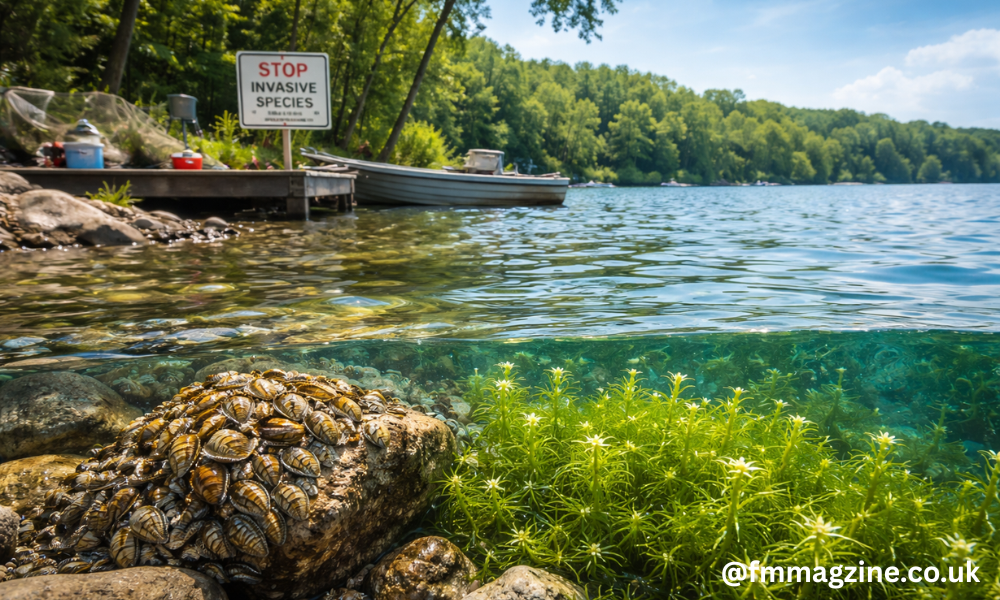
Anna Lake invasive species have become an important environmental concern for residents, anglers, boaters, and anyone who enjoys spending time on the water. In recent years, invasive aquatic organisms have been confirmed in Anna Lake in Otter Tail County, Minnesota, raising questions about ecosystem health, long-term impacts, and what local communities can do to protect the lake.
Invasive species are not just a minor nuisance. They can permanently change how a lake looks, feels, and functions. From affecting fish populations to limiting recreation, these species influence both nature and local livelihoods. In this guide, you will learn what invasive species have been identified in Anna Lake, how they spread, why they matter, and what practical steps can help slow their impact.
Understanding Invasive Species In Freshwater Lakes
An invasive species is a non-native plant, animal, or organism that spreads rapidly and causes harm to the environment, economy, or human health. In freshwater lakes like Anna Lake, invasive species often arrive unintentionally through boats, trailers, fishing gear, or connected waterways.
Unlike native species that have natural predators and balanced growth patterns, invasive organisms tend to grow aggressively. They often outcompete native plants and animals for food and space. Over time, this imbalance can disrupt the entire lake ecosystem, affecting water clarity, fish breeding areas, and even shoreline stability.
Freshwater systems are especially vulnerable because lakes are interconnected. Once an invasive species enters one body of water, it can easily spread to nearby lakes if preventive measures are not followed carefully.
Confirmed Invasive Species In Anna Lake
Recent monitoring efforts have confirmed the presence of zebra mussels and starry stonewort in Anna Lake. Both species are known for their ability to spread quickly and establish strong populations once introduced.
Zebra mussels are small, striped shellfish that attach themselves to hard surfaces such as docks, boats, rocks, and even native mussels. They reproduce rapidly and filter large amounts of water to feed. While this might sound harmless, their filtering removes essential plankton from the water, disrupting the food chain that supports young fish and other aquatic life.
Starry stonewort is an invasive aquatic alga that resembles native plants at first glance. It grows in dense mats beneath the water’s surface, especially in shallow areas. These thick growths can interfere with boating, swimming, and fishing. They also shade out native plants that fish rely on for shelter and spawning.
Both of these species pose long-term management challenges because complete removal is extremely difficult once they are established.
How These Species Were Discovered
The detection of invasive species in Anna Lake did not happen by accident. Routine monitoring by environmental agencies and local lake associations played a key role. Trained inspectors and survey teams regularly check lakes for signs of invasive plants and animals, especially during peak boating seasons.
In the case of Anna Lake, surveys confirmed the presence of zebra mussels attached to submerged surfaces. Starry stonewort was identified during aquatic vegetation inspections, where unusual dense growth patterns were observed and tested.
Early detection is critical. When invasive species are found quickly, management agencies can respond faster and apply control strategies before the population spreads across the entire lake.
Ecological Impact On Anna Lake
The presence of invasive species can significantly change the natural balance of Anna Lake. Zebra mussels alter water clarity by filtering microscopic organisms. While clearer water may seem positive at first, it can actually increase sunlight penetration, which sometimes encourages excessive plant growth.
Changes in the food chain affect fish species differently. Some fish may struggle due to reduced plankton availability, while others may adapt to new conditions. Over time, shifts in fish populations can impact recreational fishing quality.
Starry stonewort creates thick underwater mats that crowd out native aquatic plants. Native vegetation plays a critical role in providing habitat, oxygen, and erosion control. When invasive growth dominates, biodiversity declines, and the lake ecosystem becomes less resilient to other environmental stressors.
Recreational And Economic Effects
Anna Lake is valued for boating, fishing, and seasonal tourism. Invasive species directly influence these activities. Zebra mussels can attach to boat hulls, clog water intake systems, and create sharp shells along shorelines that pose risks to swimmers.
Dense starry stonewort growth can tangle boat propellers and make certain areas difficult to navigate. Anglers may find fishing spots less accessible, and property owners may notice changes in shoreline appearance.
Over time, invasive species management can also increase costs for lake associations and local authorities. Monitoring programs, treatment efforts, and public education campaigns require ongoing funding. This makes prevention even more important than control.
Management And Control Efforts
Once invasive species are confirmed, management strategies typically focus on containment and population control rather than full eradication. Approved aquatic treatments may be used in targeted areas to reduce dense growth of starry stonewort. These treatments are carefully regulated to minimize harm to native species.
For zebra mussels, mechanical removal and monitoring are common approaches. However, because they reproduce in large numbers and spread through microscopic larvae, eliminating them entirely is extremely difficult.
Long-term management depends on consistent monitoring, public awareness, and cooperation between state agencies and local communities. Lakes that respond early and maintain prevention efforts often experience slower spread compared to those with delayed action.
Prevention: What Visitors And Residents Can Do
Preventing further spread of Anna Lake invasive species is a shared responsibility. The most effective method is following the “Clean, Drain, Dry” process every time a boat or watercraft leaves the lake.
Boaters should remove all visible plants and debris from equipment, drain water from live wells and bilges, and allow boats to dry completely before entering another lake. Even small amounts of water can carry invasive larvae.
Anglers should avoid transporting bait between water bodies and properly dispose of unused bait. Dock owners and shoreline residents can also inspect equipment regularly and report unusual plant growth or shell clusters.
Small daily habits make a big difference. When prevention becomes routine, the risk of spreading invasive species drops significantly.
Community Involvement And Reporting
Local lake associations often play an important role in invasive species awareness. Community volunteers may assist with shoreline surveys, educational workshops, and signage at boat launches.
If someone suspects a new invasive plant or notices unusual shell buildup, reporting it quickly to environmental authorities helps protect the lake. Photographs and clear location details can support faster identification and response.
Public involvement strengthens long-term lake protection. When residents stay informed and proactive, invasive species management becomes more effective and sustainable.
Long-term Outlook For Anna Lake
While invasive species present ongoing challenges, lakes can remain healthy with consistent management and responsible use. Many Minnesota lakes with zebra mussels continue to support recreational activities and stable fish populations through adaptive management strategies.
The key factor is vigilance. Monitoring must continue year after year. Education efforts should reach new boaters and seasonal visitors. Environmental policies should balance recreation with ecological protection.
Anna Lake’s future depends on cooperation between agencies, residents, and visitors. With practical prevention steps and sustained awareness, the lake can remain a valued natural resource despite the presence of invasive species.
Conclusion
Anna Lake invasive species are a serious environmental issue that requires informed action and community responsibility. The confirmed presence of zebra mussels and starry stonewort highlights how quickly lake ecosystems can change when non-native organisms take hold.
Understanding what these species are, how they spread, and what impacts they cause empowers residents and visitors to make better decisions. Prevention remains the most effective strategy, supported by regular monitoring and responsible recreation.
By staying alert, following clean boating practices, and supporting local lake management efforts, the community can help protect Anna Lake for future generations. Healthy lakes do not happen by accident—they are preserved through awareness, cooperation, and consistent care.
FAQ’s:
What Invasive Species Are Found In Anna Lake?
Zebra mussels and starry stonewort have been confirmed in Anna Lake, Minnesota. Both are non-native species that spread quickly and disrupt the natural lake ecosystem.
How Do Invasive Species Spread To Anna Lake?
They usually spread through boats, trailers, fishing gear, and water equipment that are not properly cleaned. Even small amounts of water can carry microscopic larvae to other lakes.
Why Are Zebra Mussels Harmful To The Lake?
Zebra mussels filter plankton from the water, which disrupts the food chain. They also attach to hard surfaces, damage infrastructure, and create sharp shells along shorelines.
What Problems Does Starry Stonewort Cause?
Starry stonewort forms thick underwater mats that crowd out native plants, interfere with boating and fishing, and reduce habitat for fish and other aquatic life.
How Can Visitors Help Prevent The Spread Of Invasive Species?
Visitors should follow the Clean, Drain, Dry process for boats and equipment, properly dispose of bait, and report any unusual plant or shell growth to local authorities.
Looking for more? Browse other articles on the site.
Disclaimer:
This article about Anna Lake invasive species is provided for informational and educational purposes only. While every effort has been made to ensure the accuracy of the information, environmental conditions and official updates may change over time. Readers are encouraged to consult local authorities, such as state environmental agencies or lake management organizations, for the most current and official guidance.