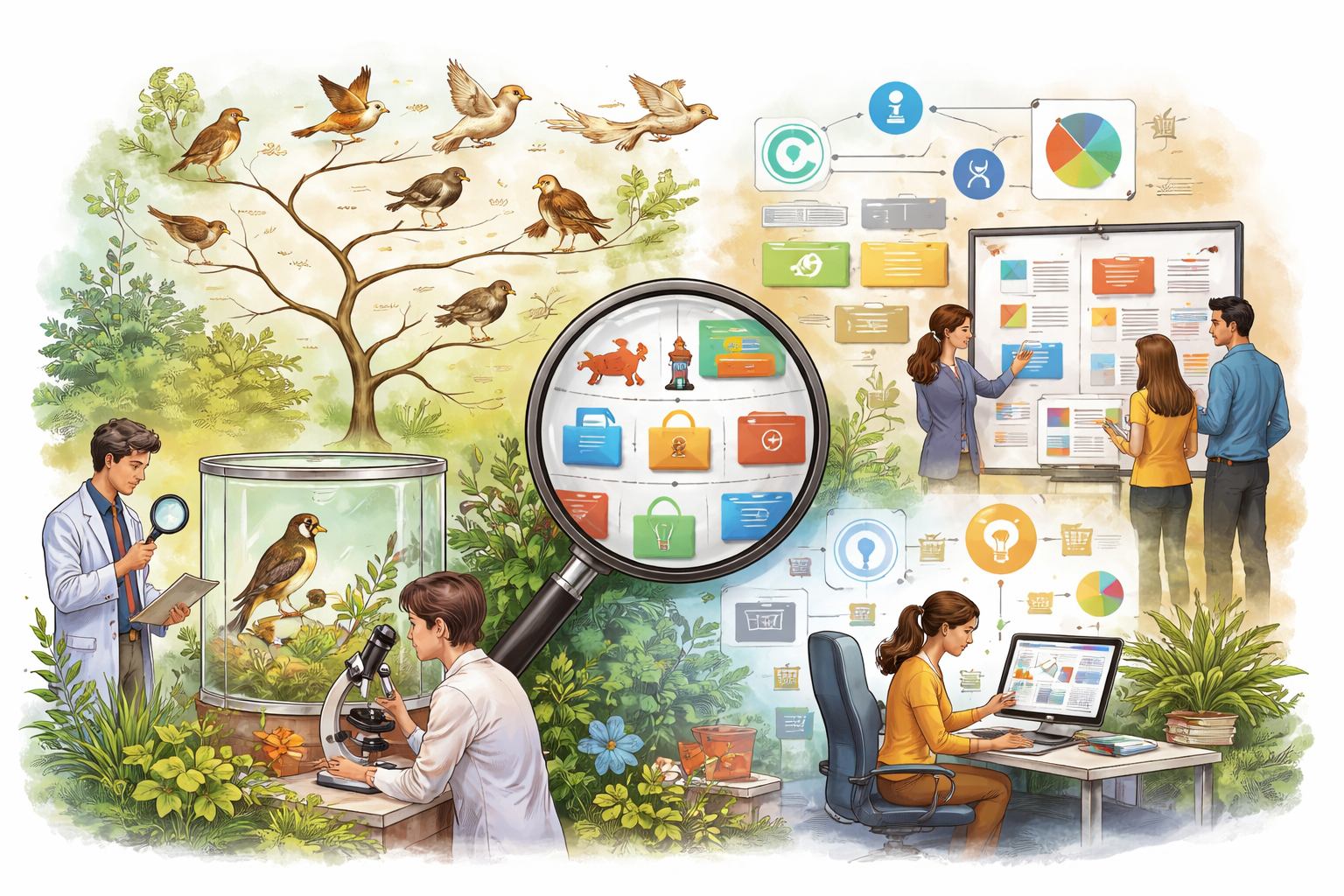
Speciering is a term that is gaining attention across different fields, yet many people still find it confusing or unclear. At its core, speciering refers to the process of creating clear distinctions, whether in nature, knowledge, or modern systems. It can describe how new species develop over time, or how ideas, products, and information are grouped and refined for better understanding. This dual meaning makes it both fascinating and highly relevant in today’s fast-changing world.
In simple terms, speciering is about separation with purpose. It helps us understand complexity by organizing it into meaningful categories. Whether you are learning about biology or improving your workflow, understanding speciering can give you a clearer perspective and better decision-making skills.
What Is Speciering?
Speciering can be understood as the act or process of dividing something into distinct types or categories based on specific characteristics. In scientific contexts, it closely relates to the concept of speciation, where new species evolve over time. In modern usage, it can also refer to organizing ideas, data, or systems in a structured way.
The reason this term feels confusing is because it is not always used consistently. Some people use it in a biological sense, while others apply it in business or digital environments. Despite this variation, the underlying idea remains the same: creating meaningful distinctions that improve clarity and understanding.
The Origins And Evolution Of The Term
The word speciering is rooted in the concept of “species,” which comes from Latin, meaning kind or type. Over time, this idea expanded beyond biology and started to appear in discussions about organization, classification, and specialization.
As knowledge grew and industries evolved, the need to sort and define things more precisely became more important. This is where speciering found new relevance. Today, it reflects not just natural processes but also human efforts to manage complexity in areas like technology, marketing, and education.
Speciering In Biology: How New Species Form
In biology, speciering refers to the natural process through which new species are formed. This happens over long periods as populations of organisms change and adapt to their environments. When groups of the same species become separated, they may evolve differently due to changes in climate, food sources, or behavior.
Over time, these differences can become so significant that the groups can no longer reproduce with each other. At that point, they are considered separate species. This process is one of the key drivers of biodiversity on Earth and explains why there are so many different forms of life around us today.
Types Of Speciering
There are several ways in which speciering can occur in nature. One common type is when populations are physically separated by geographical barriers such as mountains or rivers. This isolation leads to different evolutionary paths.
Another form happens even without physical separation. In such cases, organisms adapt to different roles or environments within the same area. Behavioral changes, feeding habits, or mating preferences can gradually lead to separation.
These processes may seem slow, but they are constantly shaping the natural world. Understanding these types helps explain how life evolves and adapts over time.
Modern Meaning Of Speciering In Business And Technology
In today’s world, speciering is often used to describe the way information, products, or services are organized. Businesses use it to categorize their offerings so customers can easily find what they need. For example, online stores group products into categories, making browsing simple and efficient.
In technology, speciering plays a role in data organization and content management. It helps systems process information more effectively by creating structured groups. This approach improves user experience and makes digital platforms easier to navigate.
Why Speciering Matters In Today’s World
We live in an age of information overload, where people are constantly exposed to vast amounts of data. Without proper organization, it becomes difficult to focus or make decisions. Speciering helps solve this problem by bringing order to complexity.
It allows individuals and organizations to break down large amounts of information into manageable parts. This not only saves time but also improves accuracy and understanding. In everyday life, even simple tasks like organizing files or planning activities rely on the principles of speciering.
Key Principles Of Effective Speciering
Effective speciering is not just about dividing things randomly. It requires a clear purpose and thoughtful structure. The first principle is clarity. Categories or distinctions should be easy to understand and meaningful to the user.
Another important principle is consistency. Once a system is created, it should follow a logical pattern so that people can rely on it. Flexibility is also essential because systems may need to adapt as new information or needs arise.
When these principles are applied correctly, speciering becomes a powerful tool for improving efficiency and communication.
Common Mistakes To Avoid
One common mistake in speciering is overcomplicating the system. Creating too many categories can confuse rather than help. It is important to keep things simple and focused.
Another issue is overlapping categories. When boundaries are unclear, it becomes difficult to decide where something belongs. This reduces the effectiveness of the entire system.
Ignoring the user’s perspective is also a major problem. Speciering should always be designed with the end user in mind. If it does not make sense to them, it fails its purpose.
Real-Life Examples Of Speciering
Speciering can be seen all around us in both natural and human-made systems. In nature, one of the most well-known examples is the variation of birds that evolved from a common ancestor but adapted to different environments. These changes resulted in distinct species with unique traits.
In daily life, organizing a workspace is a simple example. Grouping documents by type or priority makes it easier to find what you need. Similarly, digital platforms use categories and tags to improve navigation and search results.
These examples show that speciering is not just a scientific concept but a practical tool used in everyday situations.
How To Apply Speciering In Your Work Or Life
Applying speciering effectively starts with identifying your goal. Ask yourself what you want to achieve by organizing or separating things. This will guide your approach and help you create meaningful categories.
Next, group items based on clear and relevant characteristics. Avoid unnecessary complexity and focus on what truly matters. It is also important to review and adjust your system over time. As needs change, your structure should evolve as well.
By following these steps, you can use speciering to improve productivity, clarity, and decision-making in both personal and professional settings.
The Future Of Speciering
As technology continues to advance, the importance of speciering is likely to grow. Artificial intelligence and data-driven systems rely heavily on structured information. Proper categorization helps these systems function more accurately and efficiently.
In the future, speciering may play an even larger role in personalization. From online content to product recommendations, well-organized data allows systems to better understand user preferences. This creates more relevant and meaningful experiences.
The ability to manage complexity will become increasingly valuable, making speciering an essential skill in many fields.
Conclusion
Speciering is a powerful concept that connects natural processes with modern systems of organization. Whether it refers to the formation of new species or the structuring of information, its purpose remains the same: to create clarity and understanding.
By learning how speciering works and applying its principles, individuals can better navigate complex environments and make more informed decisions. It is not just a scientific idea but a practical approach that can improve many aspects of life. As the world continues to evolve, the role of speciering will only become more significant. Understanding it today can provide a strong foundation for managing the challenges of tomorrow.
FAQ’s:
What Does Speciering Mean?
Speciering refers to the process of creating clear distinctions or categories, either in biology (formation of new species) or in modern contexts like organizing data or systems.
Is Speciering The Same As Speciation?
Not exactly. Speciation is a scientific term used in biology for the formation of new species, while speciering is a broader concept that can also apply to organization and categorization.
Is Speciering The Same As Speciation?
Speciering helps simplify complex information, making it easier to understand, organize, and use effectively in both scientific and everyday situations.
Where Is Speciering Used In Daily Life?
It is used in many areas such as organizing files, categorizing products in online stores, managing data, and even planning tasks or activities.
How Can I Apply Speciering Effectively?
Start by defining your purpose, create simple and clear categories, avoid unnecessary complexity, and regularly update your system as your needs change.
Looking for more? Browse other articles on the site.
Disclaimer
This article is published for general informational and educational purposes only. While every effort has been made to ensure the accuracy and clarity of the information about speciering, it should not be considered as professional, scientific, or technical advice. Readers are encouraged to verify details from reliable sources or consult a qualified expert when making decisions based on this content. The concepts explained in this article may vary depending on context, field, or interpretation. The author and website do not take responsibility for any outcomes resulting from the use or misunderstanding of the information provided.