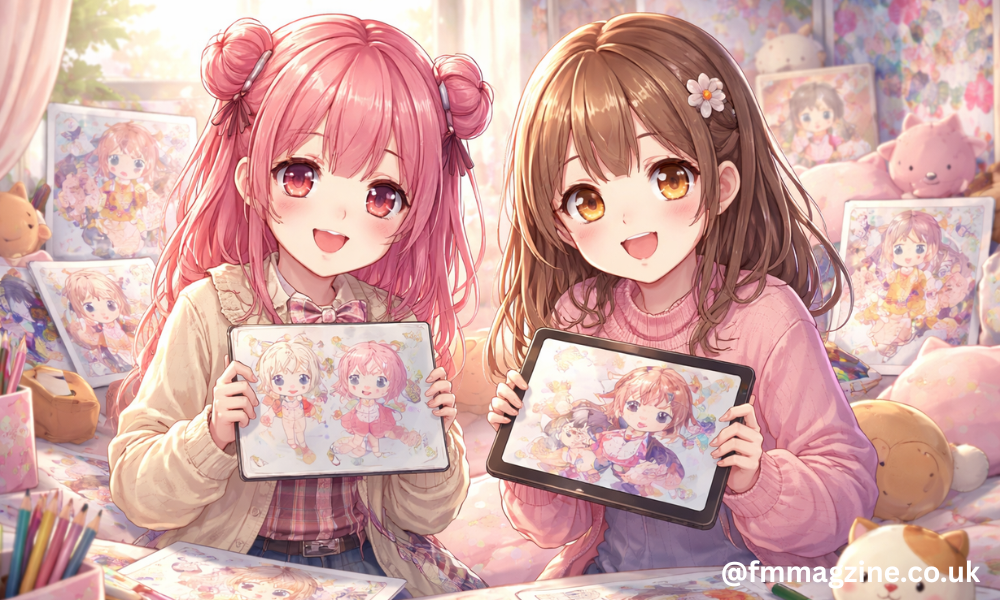
Dojen moe is one of those keywords that can feel unclear at first glance. People see it online, notice it in blog posts or fan discussions, and want a simple explanation of what it means and why it matters. The challenge is that the term does not always appear with one fixed definition. In some places, it is discussed as a style connected to anime and fan-made art. In others, it is treated more like an internet phrase that blends visual taste, emotional appeal, and niche culture.
That is exactly why this topic deserves a clearer article. Instead of repeating vague definitions, it helps to look at dojen moe in a practical way. The phrase seems to sit around the meeting point of doujin-inspired creativity and the idea of moe, which is often used to describe a certain kind of emotional charm in characters, design, or storytelling. For readers, the real value is not just finding a definition, but understanding the context behind the term, where it comes from, and why it is gaining attention online.
This guide explains dojen moe in plain English. It focuses on meaning, background, visual identity, cultural use, and the reasons people keep searching for it. The goal is to make the topic easier to understand without overcomplicating it.
What Dojen Moe Means
The term dojen moe is usually understood as a phrase linked to Japanese-inspired fan culture, character appeal, and creative expression. While the spelling may vary in how people interpret it, many readers connect the first part of the term to doujin or doujinshi culture, which is often associated with self-published or fan-created works. The second part, moe, is more familiar to anime and manga audiences and usually refers to a strong sense of affection, softness, or emotional attachment toward a character or style.
When these ideas are placed together, dojen moe can be understood as a niche label for a type of creative or visual appeal rooted in fandom culture. It often suggests art, storytelling, or character design that feels personal, cute, expressive, and emotionally engaging. This does not mean the term has one official dictionary-style meaning. Instead, it works more as a cultural phrase that people interpret through context.
That flexible meaning is part of the reason the keyword has grown in search interest. People are curious because they want a direct answer, but the answer depends on how the term is being used. A good explanation should be honest about that. Dojen moe is best understood as a niche phrase connected to fan-made creativity and the emotional charm often found in anime-style design.
The Origins Behind The Phrase
To understand dojen moe, it helps to break the phrase into parts. The strongest clue comes from the likely connection to doujin culture. In Japanese media spaces, doujin often refers to self-published works, fan-made comics, independent art, or passion projects created outside major commercial systems. These works are often more personal, experimental, and community-driven than mainstream releases.
The word moe has its own history in anime and manga culture. It is commonly used to describe the feeling of affection or emotional pull that certain characters inspire. This could come from innocence, vulnerability, sweetness, visual softness, or a very specific personality type. Over time, moe became more than a niche term. It turned into a broader cultural idea tied to design, emotion, and audience response.
When a phrase like dojen moe appears online, it likely reflects the way internet culture mixes and reshapes words. Some terms grow naturally inside fan communities before wider audiences begin to search them. That means not every phrase has a formal origin story or one moment of creation. In many cases, the internet helps turn a niche expression into a searchable keyword long before it becomes clearly defined.
How Dojen Moe Connects To Fan Culture
Dojen moe makes the most sense when viewed through the lens of fan culture. Online fandom spaces have always created their own language. Fans develop new labels for art styles, character types, community trends, and emotional experiences. These phrases often spread through discussion boards, social media posts, image sharing, and blog content before they become widely recognized.
In this environment, dojen moe fits naturally. It feels like a term that belongs to people who engage deeply with illustrated media, character-driven stories, and fan-created work. The phrase suggests more than just a look. It hints at the values behind a creative scene: passion, personal expression, emotional detail, and appreciation for styles that feel intimate rather than corporate.
That fan-centered background matters because it explains why the keyword may seem unfamiliar to general readers but meaningful to people inside niche communities. It also explains why some articles about dojen moe feel inconsistent. Different writers may be drawing from different parts of fandom culture, and that can lead to overlapping but not identical explanations.
The Aesthetic Side Of Dojen Moe
A large part of the appeal of dojen moe comes from aesthetics. People are often drawn to terms like this because they describe a mood as much as a concept. In practice, the aesthetic side of dojen moe often includes soft expressions, emotionally warm character design, gentle color choices, and a sense of closeness or sincerity. The overall tone usually feels more personal than polished in a mainstream commercial way.
This does not mean every example must look the same. Some works may lean cute and delicate, while others may be playful, nostalgic, or slightly dramatic. What connects them is the emotional response they aim to create. The viewer is not only supposed to admire the design. They are meant to feel attached to it. That is where the moe element becomes important, because it adds emotional presence to the visual experience.
Another reason this aesthetic stands out is that it feels human. Fan-made or indie-inspired work often carries details that feel specific and sincere. Even when the style is polished, it may still hold a sense of personal taste rather than broad market appeal. That blend of intimacy and charm helps explain why people keep exploring the term.
Why People Are Searching For Dojen Moe
Search interest around dojen moe seems to come from curiosity, confusion, and cultural crossover. Many internet users come across unfamiliar terms through social media, niche blogs, art communities, or search suggestions. Once a phrase starts appearing in multiple places, people naturally want to know what it means. That curiosity becomes even stronger when the available explanations are repetitive or unclear.
Another reason people search for dojen moe is the growing popularity of niche aesthetic language online. Internet culture increasingly turns small community terms into searchable topics. What begins as a fandom phrase can quickly become a blog keyword, then a social media caption, and later a topic people want explained in a clear article. This pattern is common across visual culture, especially when anime, digital art, and fandom language are involved.
There is also a practical reason for the search demand. Readers want content that gives them a complete understanding without making the topic feel confusing. Many pages on niche keywords either overstate the meaning or repeat surface-level descriptions. A well-written article can perform better simply by being clearer, calmer, and more useful than the existing content.
Why The Meaning Often Feels Confusing
One of the biggest issues with dojen moe is that it can be explained in different ways depending on the source. Some writers treat it as an art style. Others describe it as a fandom trend, a digital culture phrase, or a label for a certain kind of emotional design. None of these ideas are completely disconnected, but they are not exactly the same either.
This kind of confusion is common with emerging internet terms. A phrase does not need formal approval to spread online. It only needs enough repeated use for people to recognize it and start searching it. Once that happens, articles begin to appear, and each one may shape the meaning a little differently. That creates a cycle where the keyword becomes visible before it becomes stable.
For readers, the smartest approach is to look at context. If dojen moe appears in an article about art, it may refer more to visual style. If it appears in a discussion about fandom, it may point more toward community taste or character appeal. Instead of forcing one narrow definition, it is often better to understand the phrase as a flexible niche term with a shared cultural direction.
How Dojen Moe Appears Online
Online, dojen moe usually appears in explanatory blog posts, fan-centered discussions, creative commentary, and aesthetic writing. It is the kind of keyword that grows through repeated use rather than formal recognition. That means its presence online tells us something important: people are interested enough in the term to keep writing about it, even if they do not all explain it the same way.
The phrase works well in internet spaces because it combines mystery with familiarity. People who already know anime or manga culture may immediately recognize the moe side of the term. Others may notice the possible doujin influence and connect it to independent or fan-made creative work. Even when they do not fully understand it, they can sense that it belongs to a larger cultural world.
This kind of online life is common for niche terms. They often gain momentum because they feel specific, interesting, and tied to a recognizable aesthetic. As more websites publish content around them, the search volume grows. That does not always mean the term is fully established. Sometimes it simply means the topic is active enough to create ongoing curiosity.
Is Dojen Moe A Trend Or A Lasting Niche?
At this stage, dojen moe looks more like a growing niche keyword than a fully settled category. It has enough visibility to attract attention, but not enough stable definition to feel universal. That is not a weakness. In fact, many topics that perform well in search begin exactly this way. They live in the space between curiosity and clarity.
Whether the term becomes more widely recognized depends on how people continue to use it. If creators, writers, and communities keep applying it consistently, it may become more established over time. If not, it may remain a small niche phrase that still holds value for readers who want to understand online culture and fan aesthetics. Either way, it is a useful keyword because it reflects a real pattern in how internet language evolves.
From an editorial perspective, the best way to handle a term like this is with balance. It should not be treated like a massive mainstream concept, but it also should not be dismissed as meaningless. The interest around it is real, and that alone makes it worth explaining properly.
How To Understand The Term More Clearly
If you want to understand dojen moe in a more practical way, focus on three things: context, culture, and emotional style. Context helps you see how the term is being used in a specific article or discussion. Culture reminds you that the phrase likely comes from fan-centered creative spaces influenced by anime, manga, and self-published art traditions. Emotional style shows why the term feels different from a purely technical label.
This approach is more useful than chasing a perfect one-line definition. Many online readers are not looking for a strict academic answer. They want a clear explanation that makes the term feel understandable. That is why articles on niche topics perform best when they are transparent, thoughtful, and grounded in real usage instead of inflated claims.
For website owners and writers, this is also a reminder that ranking content does not need to sound robotic. A stronger article is usually the one that answers the reader honestly, organizes the topic well, and avoids repeating the same sentence in different forms. With a keyword like dojen moe, clarity is your biggest advantage.
Conclusion
Dojen moe is a niche keyword that blends cultural curiosity, creative identity, and emotional visual appeal. It seems to draw from fan-made art culture and the idea of moe, creating a phrase that feels tied to anime-inspired aesthetics, character charm, and online community language. While the meaning is not always fixed, the general direction is clear enough to understand when it is explained in the right context.
The reason people keep searching for dojen moe is simple: the term is visible, interesting, and still not clearly explained in many places. That creates an opportunity for better content. A useful article should not pretend the phrase has one rigid meaning if it does not. It should guide readers through the likely origins, the cultural setting, and the reasons the term keeps appearing online.
In the end, dojen moe matters because it reflects how digital culture works. Small, creative phrases can grow quickly when they capture a mood, a style, or a community feeling. For readers trying to understand the keyword, the most helpful approach is to see dojen moe as a flexible term rooted in fandom, aesthetics, and emotional connection rather than as a narrow label with only one possible meaning.
FAQ’s:
What Does Dojen Moe Mean?
Dojen moe is a niche internet term often associated with anime-inspired fan culture, emotional character appeal, and creative styles linked to independent or fan-made art. The phrase usually blends ideas related to doujin creativity and the concept of “moe,” which describes affection or charm in character design.
Where Did The Term Dojen Moe Come From?
The term likely developed from online communities that discuss anime, manga, and fan-made content. It appears to combine ideas connected to doujin culture (independent or fan-created works) with moe aesthetics that focus on emotional and visual charm.
Is Dojen Moe An Official Art Style?
No, dojen moe is not considered a formal or officially defined art style. Instead, it is a loosely used phrase that describes a mood, aesthetic, or creative approach often found in fan communities and online discussions.
Why Are People Searching For Dojen Moe Online?
Many people search for dojen moe because they see the term on blogs, social media, or fan discussions and want a clear explanation. Interest grows when niche internet phrases start appearing more frequently across websites and creative communities.
How Is Dojen Moe Used In Online Culture?
In online culture, dojen moe may appear in articles, fan discussions, creative posts, and aesthetic conversations related to anime-style art and character design. The term is usually used to describe a blend of fan creativity and emotionally appealing visual styles.
Looking for more? Browse other articles on the site.
Disclaimer
The information provided in this article about dojen moe is intended for general educational and informational purposes only. The term is largely used in online discussions and niche cultural communities, and its meaning may vary depending on context, interpretation, or platform. While every effort has been made to present accurate and helpful information, the article reflects commonly available knowledge and interpretations rather than an official or universally accepted definition.