The world of cheese is full of interesting traditions, regional specialties, and creative culinary experiments. Among the many cheese concepts that have recently gained attention is masgonzola, a name that blends the identities of two well-known Italian cheeses: mascarpone and gorgonzola. While it may not be as widely recognized as traditional cheeses, the idea behind masgonzola reflects a broader trend in modern cooking—combining classic ingredients to create balanced flavors that appeal to a wider range of tastes.
Masgonzola represents the harmony between richness and tang. Mascarpone is known for its smooth, creamy texture and mild flavor, while gorgonzola offers the distinctive sharpness associated with blue cheeses. When these characteristics come together, the result is a cheese profile that feels both indulgent and approachable. For people who find traditional blue cheeses too strong, masgonzola offers a gentler introduction while still maintaining depth of flavor.
In this guide, we will explore what masgonzola is, where the idea likely comes from, how it tastes, and how it can be used in everyday cooking. By the end of the article, readers will have a clear understanding of why this cheese concept has started attracting curiosity among food enthusiasts and home cooks alike.
What Is Masgonzola
Masgonzola can best be described as a fusion-style cheese concept inspired by the combination of mascarpone and gorgonzola. The name itself reflects this blend: “mas” from mascarpone and “gonzola” from gorgonzola. The idea behind this combination is simple yet effective—mix the creamy softness of mascarpone with the bold, slightly tangy taste of gorgonzola to create a balanced flavor experience.
Mascarpone is a fresh Italian cream cheese traditionally used in desserts such as tiramisu. It is smooth, buttery, and almost neutral in taste. Gorgonzola, on the other hand, is a famous Italian blue cheese known for its strong aroma and complex flavor. When the two are combined, mascarpone softens the intensity of gorgonzola while gorgonzola adds character to the otherwise mild mascarpone.
The result is a cheese blend that feels luxurious yet approachable. It maintains the creamy consistency people love while introducing a subtle sharpness that makes dishes more interesting. Because of this balance, masgonzola has become an appealing concept for chefs experimenting with new textures and flavor combinations.
The Origin And Culinary Inspiration Behind Masgonzola
Although masgonzola is not widely recognized as a traditional cheese with a long historical background, its inspiration clearly comes from Italian cheese culture. Italy has centuries of cheese-making tradition, and many Italian cheeses are designed to complement one another in recipes and cheese boards.
Combining cheeses is not unusual in culinary practice. In fact, many chefs mix different cheeses to create sauces, spreads, and fillings with more complex flavors. The concept behind masgonzola likely emerged from this same approach—balancing creamy and sharp elements to achieve a more versatile ingredient.
Italian cuisine often focuses on simplicity and high-quality ingredients. By blending mascarpone and gorgonzola, cooks can achieve a layered flavor without needing complicated techniques. This makes masgonzola particularly attractive for modern kitchens, where cooks want both convenience and sophistication.
Another reason for its growing popularity is the broader trend of fusion cuisine, where traditional ingredients are combined in creative ways. Food enthusiasts today are more open to experimentation, and cheese blends like masgonzola fit perfectly within this evolving culinary landscape.
Flavor Profile And Texture
One of the most interesting aspects of masgonzola is its balanced flavor profile. Unlike many blue cheeses that have a strong, sometimes overwhelming taste, masgonzola is noticeably smoother and more approachable. The mascarpone component introduces a creamy, buttery sweetness that softens the sharper notes of gorgonzola.
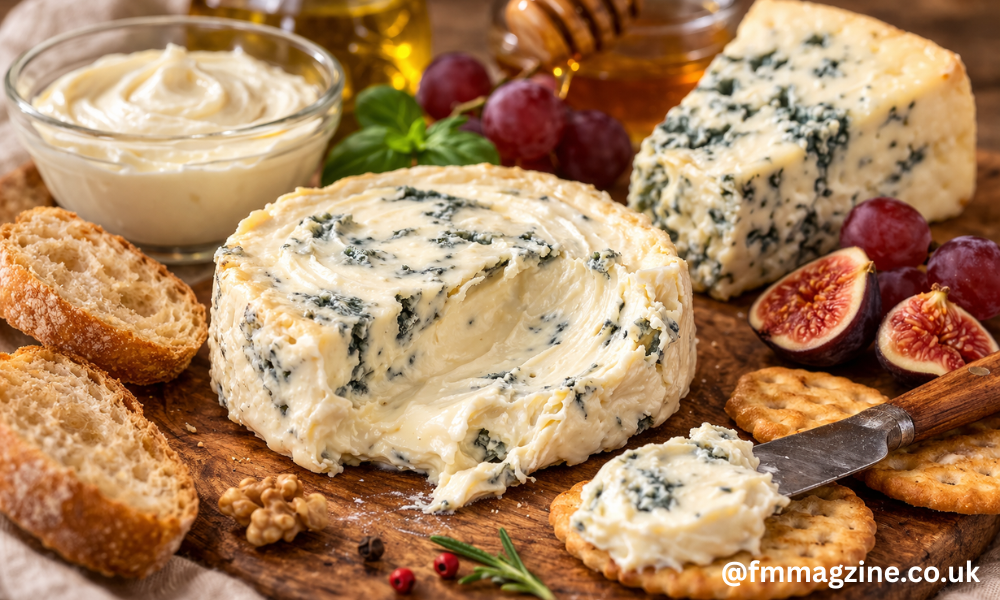
The texture of masgonzola is typically very smooth and spreadable. Mascarpone contributes a velvety consistency that makes the cheese feel rich without being crumbly. Gorgonzola, depending on the variety used, adds slight firmness and a characteristic blue-veined appearance.
When tasting masgonzola, many people notice three main flavor elements. The first is the creamy richness from mascarpone. The second is the gentle tang that comes from gorgonzola. The third is a subtle savory depth that lingers after each bite.
This balance is what makes masgonzola appealing to a wide audience. People who enjoy blue cheese will still recognize its distinctive flavor, while those who normally avoid strong cheeses may find the milder taste easier to appreciate.
How Masgonzola Is Typically Prepared
Masgonzola is usually prepared by blending mascarpone and gorgonzola in specific proportions. The ratio may vary depending on how strong or mild the desired flavor should be. A higher amount of mascarpone results in a softer and milder cheese, while more gorgonzola creates a sharper taste.
The process is relatively simple compared with traditional cheese production. First, mascarpone is prepared from cream that has been gently heated and thickened. Gorgonzola, which is already aged and veined with blue mold, is then mixed into the mascarpone. The cheeses are carefully blended until they reach a smooth and consistent texture.
Some chefs allow the mixture to rest for a short period so the flavors can integrate more naturally. During this time, the creamy and tangy notes combine, producing a balanced cheese that works well in both hot and cold dishes.
Because the preparation process is straightforward, masgonzola can also be recreated at home with minimal equipment. This accessibility is one of the reasons it has gained interest among home cooks who enjoy experimenting with new ingredients.
Culinary Uses Of Masgonzola
Masgonzola is extremely versatile in the kitchen, which makes it a valuable ingredient for many recipes. Its creamy texture allows it to melt smoothly, while its mild blue-cheese flavor adds complexity to dishes without overpowering them.
One of the most common uses for masgonzola is in pasta sauces. When gently heated, the cheese melts into a rich sauce that coats pasta evenly. The result is a creamy dish with a subtle tang that pairs well with ingredients such as mushrooms, spinach, or roasted vegetables.
Masgonzola also works well on pizza. Instead of using traditional mozzarella alone, adding small portions of this cheese blend can introduce a more interesting flavor profile. The creamy base complements tomato sauce and balances the saltiness of toppings such as cured meats.
Another popular use is in risotto. Stirring masgonzola into freshly cooked risotto creates a luxurious texture and adds depth to the dish. Because risotto naturally absorbs flavors, the cheese integrates smoothly without overwhelming the other ingredients.
Beyond cooked dishes, masgonzola can also be enjoyed as a spread on bread or crackers. Its soft consistency makes it ideal for appetizers, and it pairs well with fruits such as pears or figs. These combinations highlight the contrast between creamy, sweet, and slightly tangy flavors.
Food Pairings That Work Well with Masgonzola
Pairing masgonzola with complementary foods can enhance its flavor even further. Because the cheese contains both creamy and tangy elements, it works well with ingredients that balance or highlight these qualities.
Fresh fruits are among the best pairings. Pears, grapes, and apples provide natural sweetness that contrasts nicely with the savory notes of the cheese. This combination is commonly used on cheese boards, where the goal is to offer a variety of textures and flavors.
Nuts such as walnuts and almonds also pair well with masgonzola. Their slightly earthy taste and crunchy texture add another dimension to the experience. Drizzling a small amount of honey over the cheese can create a balanced mix of sweet, salty, and creamy elements.
Bread is another natural partner. Rustic breads, baguettes, and sourdough slices provide the perfect base for spreading the cheese. The crisp crust and soft interior of the bread complement the smooth texture of masgonzola.
For beverages, light white wines and mildly acidic drinks often work best. These beverages cleanse the palate and prevent the richness of the cheese from feeling too heavy.
Nutritional Considerations
Like many cheese products, masgonzola contains a mixture of nutrients that can be beneficial when consumed in moderation. It provides protein, calcium, and essential fats that contribute to a balanced diet. Dairy-based foods also support bone health because of their calcium content.
However, because mascarpone is made from cream, masgonzola can also be relatively high in fat and calories. This does not necessarily make it unhealthy, but it does mean that portion control is important. Enjoying the cheese as part of a balanced meal rather than in large quantities is usually the best approach.
Individuals who are sensitive to dairy or mold-based cheeses should also be mindful when trying masgonzola. Since it includes gorgonzola, it may contain similar allergens or sensitivities associated with blue cheese varieties.
When enjoyed responsibly, masgonzola can be part of a varied diet and contribute both flavor and nutritional value to meals.
Why Masgonzola Is Gaining Attention
In recent years, people have shown growing interest in unique and creative food ideas. Social media, food blogs, and cooking shows have encouraged experimentation with new ingredients and flavor combinations. Masgonzola fits perfectly into this trend because it offers something familiar yet slightly different.
Another factor behind its popularity is accessibility. Both mascarpone and gorgonzola are widely available in many grocery stores, which makes it easy for cooks to experiment with the combination. Unlike some specialty cheeses that require complicated aging processes, masgonzola can be prepared quickly and used immediately.
Home cooking has also become more adventurous. Many people enjoy exploring new flavors in their kitchens, and cheese blends provide an easy way to elevate simple recipes. Masgonzola adds richness and character without requiring advanced culinary skills.
This growing curiosity around food innovation means that unique concepts like masgonzola are likely to continue gaining attention among culinary enthusiasts.
Conclusion
Masgonzola represents a creative blend of two well-known Italian cheeses, bringing together the creamy richness of mascarpone and the bold character of gorgonzola. The combination results in a balanced flavor that is both approachable and distinctive, making it appealing to a wide range of tastes.
Throughout this article, we explored what masgonzola is, how it is prepared, and why it has become an interesting topic for food lovers. Its smooth texture and gentle tang make it suitable for many dishes, from pasta and risotto to cheese boards and appetizers.
Beyond its culinary uses, masgonzola also reflects the broader trend of experimenting with traditional ingredients to create new flavor experiences. As people continue exploring creative cooking ideas, blends like this demonstrate how simple combinations can produce surprisingly enjoyable results.
FAQ’s:
What Is Masgonzola?
Masgonzola is a cheese blend inspired by mascarpone and gorgonzola, combining the creamy texture of mascarpone with the tangy flavor of gorgonzola.
Does Masgonzola Taste Like Blue Cheese?
Yes, it has some blue cheese characteristics, but the flavor is milder because mascarpone softens the sharpness of gorgonzola.
How Can Masgonzola Be Used In Cooking?
Masgonzola works well in pasta sauces, risotto, pizza, spreads, and cheese boards because of its creamy texture and balanced flavor.
Can Masgonzola Be Made At Home?
Yes, it can be made by blending mascarpone and gorgonzola together until smooth, adjusting the ratio to achieve the desired flavor strength.
What Foods Pair Well With Masgonzola?
Masgonzola pairs well with fruits like pears and grapes, nuts, honey, fresh bread, and light white wines.
Looking for more? Browse other articles on the site.
Disclaimer:
The information provided in this article about masgonzola is for general informational and educational purposes only. While every effort has been made to ensure the accuracy and usefulness of the content, the article is based on available culinary knowledge and research about cheese blends and food practices. Readers should use their own judgment when trying new recipes, ingredients, or dietary choices. If you have specific dietary restrictions, allergies, or health concerns related to dairy products, it is always recommended to consult a qualified nutritionist or healthcare professional before making changes to your diet.