The word “ruderne” may seem unfamiliar at first, especially for readers who are not familiar with Scandinavian languages. However, it is a meaningful term that appears in the Danish language and is often connected to everyday objects and common expressions. Understanding this word helps readers learn more about Danish grammar, vocabulary, and how plural forms work in real-life communication.
In Danish, many words change slightly depending on whether they refer to one item or multiple items, and whether the noun is definite or indefinite. “Ruderne” is a good example of how these forms operate in practice. The term is commonly used when talking about windows or panes of glass in buildings, homes, or vehicles. Because of this, the word appears in both everyday conversations and written language.
For language learners, translators, and curious readers, exploring the meaning of “ruderne” provides a useful entry point into Danish word formation. By understanding where the word comes from and how it is used in sentences, readers can gain a clearer view of the structure and patterns found in Danish vocabulary.
This article explains the meaning, origin, and real-life use of the word “ruderne.” It also explores how Danish noun forms work and why this word is often searched by people trying to understand Danish language structure.
What “Ruderne” Means
The word “ruderne” is the definite plural form of the Danish noun “rude.” In English, the base word “rude” generally refers to a pane of glass, most often the glass found in a window. When Danish speakers want to talk about several panes of glass in a specific context, they use the form “ruderne,” which translates roughly to “the panes” or “the window panes.”
For example, when someone talks about cleaning windows or repairing glass in a building, the word may naturally appear in conversation. Instead of referring to a single pane, the speaker might refer to all the panes together. In that situation, the plural definite form becomes useful.
Understanding this form requires knowing that Danish grammar often attaches endings to nouns instead of using separate words like “the.” This structure allows the language to express both quantity and definiteness directly within the noun itself. As a result, “ruderne” communicates that the speaker is referring to specific panes of glass that are already known in the conversation.
In everyday use, the word might appear when describing a house, discussing cleaning tasks, or explaining a repair. Even though the word itself is simple, it reflects the larger grammatical patterns that define the Danish language.
The Linguistic Origin Of The Word “Ruderne”
To understand “ruderne,” it is helpful to begin with the base word “rude.” This word has existed in Danish for a long time and originally referred to a square or section of glass within a window frame. Over time, it became the standard word for window panes used in homes, buildings, and vehicles.
The plural form of “rude” is “ruder,” which simply means “panes.” When Danish grammar requires the definite plural form, the ending “-ne” is added to the noun. This produces the form “ruderne.”
This grammatical pattern is common in Danish and can be seen in many other nouns. Instead of placing the word “the” before a noun, Danish attaches endings to indicate that the noun is definite. This structure allows the language to communicate meaning efficiently without additional words.
The development of these forms reflects the historical roots of Danish as part of the North Germanic language family, which also includes Swedish and Norwegian. These languages share similar patterns of noun endings and grammatical structure. As a result, many learners who study Scandinavian languages begin to recognize familiar patterns across them.
The word “ruderne” therefore represents not just a single vocabulary term, but also a broader example of how Danish grammar has evolved over centuries.
Understanding Danish Noun Forms Through “Ruderne”
Danish nouns often change depending on number and definiteness. This system may feel unfamiliar to English speakers because English usually relies on separate articles such as “a,” “an,” and “the.” Danish, on the other hand, frequently attaches endings directly to nouns.
Using the word “rude” as an example helps illustrate this structure clearly. The base word refers to a single pane of glass. When the noun becomes plural, it changes to “ruder.” When the speaker wants to refer to specific panes that are already known in the conversation, the ending “-ne” is added, producing “ruderne.”
This means that the word itself carries information about both number and specificity. The listener can immediately understand that the speaker is talking about particular panes of glass rather than panes in general.
For learners of Danish, recognizing these patterns is an important step toward reading and speaking the language more naturally. Instead of memorizing isolated words, it becomes easier to understand how endings change meaning. Words like “ruderne” demonstrate how Danish grammar communicates detailed information through relatively simple adjustments to the base word.
Common Situations Where “Ruderne” Is Used
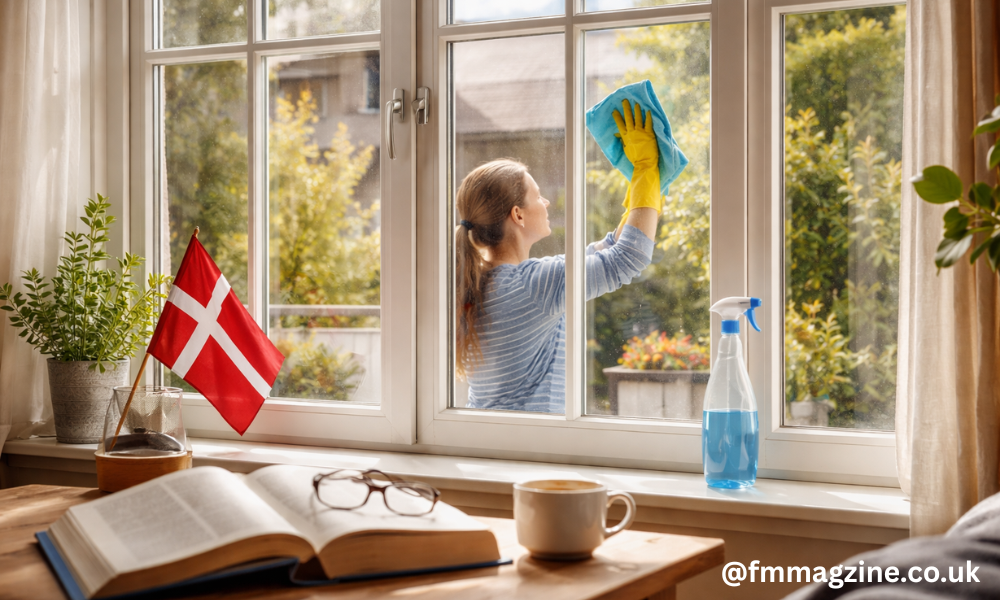
In everyday Danish conversation, the word “ruderne” usually appears when discussing windows or glass surfaces. For example, someone might use the word while talking about cleaning windows, repairing damaged glass, or describing the appearance of a building.
One common situation is home maintenance. When discussing household tasks, a person might mention washing the windows or checking the condition of the panes. In that context, the plural form naturally appears because most windows contain several panes.
The word can also appear in discussions about architecture or construction. Buildings often have multiple windows, each containing several panes of glass. When referring to these collectively, Danish speakers may use the word “ruderne.”
Weather conditions also create situations where the term becomes useful. For instance, frost or condensation can appear on window panes during colder seasons. A Danish speaker describing that scene might refer to moisture forming on “ruderne.”
Because windows are such a common feature of buildings and vehicles, the word appears naturally in everyday communication. This makes it a practical example of how Danish grammar functions in real-life situations.
Differences Between “Ruderne” And Similar Danish Words
Although “ruderne” refers specifically to window panes, it is sometimes confused with other Danish words related to windows. Understanding the difference between these terms helps clarify how each word is used.
The base word “rude” refers to a single pane of glass. When more than one pane is involved, the plural form “ruder” is used. The form “ruderne” then specifies that the speaker is referring to particular panes that are already known or visible in the situation.
Another common word is “vindue,” which means “window.” While “rude” refers only to the glass pane, “vindue” refers to the entire window structure, including the frame. This distinction is important because Danish speakers may choose one word or the other depending on what part of the window they are discussing.
For example, if someone is talking about replacing the glass, they would likely refer to the panes themselves. If they are discussing installing or opening a window, they might refer to the entire window unit instead.
Recognizing these differences helps learners avoid confusion and communicate more accurately when speaking or writing in Danish.
Why Language Learners Search For “Ruderne”
Many people encounter the word “ruderne” while studying Danish or translating text. Because the word includes a grammatical ending, it may not immediately appear in basic vocabulary lists. This can make it challenging for learners to identify the base form of the noun.
Language learners often search for the word when they see it in written material, such as articles, books, or online content. By understanding the base word “rude,” learners can then recognize how the plural and definite forms are constructed.
Another reason people search for the term is that Scandinavian languages use noun endings differently from English. Instead of placing a separate article before the noun, Danish often attaches the definite ending directly to the word. This grammatical structure can initially feel unfamiliar, but it becomes easier to understand once learners see examples like “ruderne.”
Over time, recognizing patterns in these endings helps learners read Danish more smoothly. Words that once seemed complex begin to make sense when the underlying structure becomes clear.
Tips For Understanding Danish Word Forms
For readers interested in learning Danish, recognizing patterns in noun endings can make the language easier to understand. Words like “ruderne” show how Danish expresses both number and definiteness through simple endings.
One helpful strategy is to focus on the base form of each noun first. Once the root word is understood, the plural and definite forms become easier to recognize. Seeing how endings such as “-er” and “-ne” modify the base word helps learners identify meaning quickly.
Another useful approach is reading simple Danish texts. When learners encounter words in context, it becomes easier to understand how different forms function within sentences. Over time, repeated exposure helps reinforce grammatical patterns.
Listening to spoken Danish can also support learning. Hearing how native speakers use words like “ruderne” in everyday conversation provides practical examples of how grammar works in real life.
By combining vocabulary learning with contextual reading and listening, learners can gradually build confidence in recognizing Danish noun forms.
Conclusion
The word “ruderne” offers a small but meaningful example of how Danish grammar functions in everyday language. As the definite plural form of the noun “rude,” it refers to specific panes of glass, often within windows found in homes, buildings, or vehicles.
Understanding this word helps illustrate how Danish nouns change depending on number and definiteness. Instead of relying on separate articles, the language frequently attaches endings directly to nouns. This grammatical feature allows words like “ruderne” to convey clear meaning with relatively simple changes to the base form.
For language learners, studying words like this provides insight into the structure of Danish vocabulary. Recognizing patterns in noun endings can make reading and speaking the language much easier over time.
FAQ’s:
What Does The Word “Ruderne” Mean?
“Ruderne” is a Danish word that means “the window panes” or “the panes of glass.” It is the definite plural form of the noun “rude,” which refers to a pane of glass in a window.
What Is The Base Word Of “Ruderne”?
The base word is “rude.” In Danish grammar, the plural form becomes “ruder,” and the definite plural form becomes “ruderne.”
Is “Ruderne” Commonly Used In Everyday Danish?
Yes, the word can appear in everyday conversations, especially when people talk about windows, cleaning glass, repairing panes, or describing buildings.
How Is “Ruderne” Different From “Vinduer”?
“Ruderne” refers specifically to the glass panes, while “vinduer” refers to the entire windows, including the frame and structure.
Why Do Language Learners Search For The Word “Ruderne”?
Many learners encounter the word while reading Danish text and want to understand its meaning, grammar form, and translation into English.
Looking for more? Browse other articles on the site.
Disclaimer
The information provided in this article about “ruderne” is intended for general educational and informational purposes only. While every effort has been made to present accurate and clear explanations of the word, its meaning, and its usage in the Danish language, language rules and interpretations may vary depending on context, dialect, or linguistic sources. This article should not be considered an official linguistic reference or professional language instruction. Readers who require precise translations or academic language guidance should consult trusted dictionaries, language experts, or professional translators.